Pine Cat Litter: Pros, Cons, & Things to Know
In this article
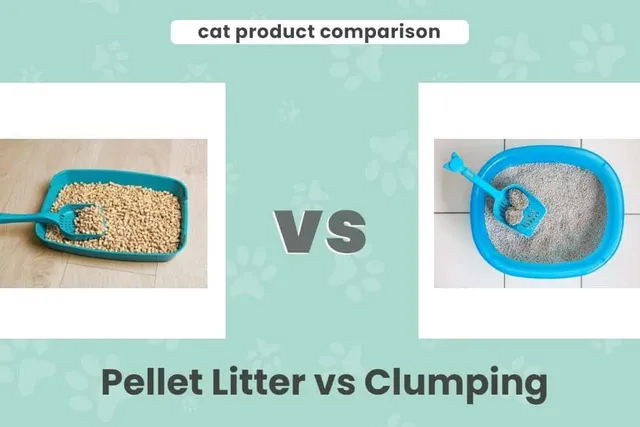
As a cat owner, you have many options when choosing cat litter for your feline pal’s litter box. For most pet parents, traditional cat litter works just fine. However, many don’t realize that there are several cat litter brands that use alternatives to clay, such as pine pellet cat litter.
However, just like anything else on the market today, pine cat litter comes with its own set of pros and cons. We’ll give you a few of those pros and cons in the guide below.

Pros of Using Pine Cat Litter
1. Non-Toxic/Natural/Eco-Friendly
One of the best things about pine cat litter is that it’s non-toxic and won’t harm your cat or the people in your home. The pellets are all-natural, which makes them a healthy alternative to traditional or clay litter. You won’t find synthetic fragrances, chemical additives, or clumping agents in these pellets as in others.
Also, pine litter is a great place to start if you're looking to become more eco-friendly. There are no new trees cut down to make pine pellets, so you’re saving the trees and protecting the environment at the same time.
2. Healthier for Everyone Involved
Pine litter is healthier for everyone, from your pets to your family. Pine has natural antimicrobial properties, which help control and suppress harmful bacteria. This also helps keep your cat’s litter box fresh between cleanings. It contains little to no dust, and it’s safer to use around people with allergies or asthma.
Since it’s nearly dust-free, it’s no wonder many pet owners are switching to pine litter over traditional clay brands.
3. Efficient
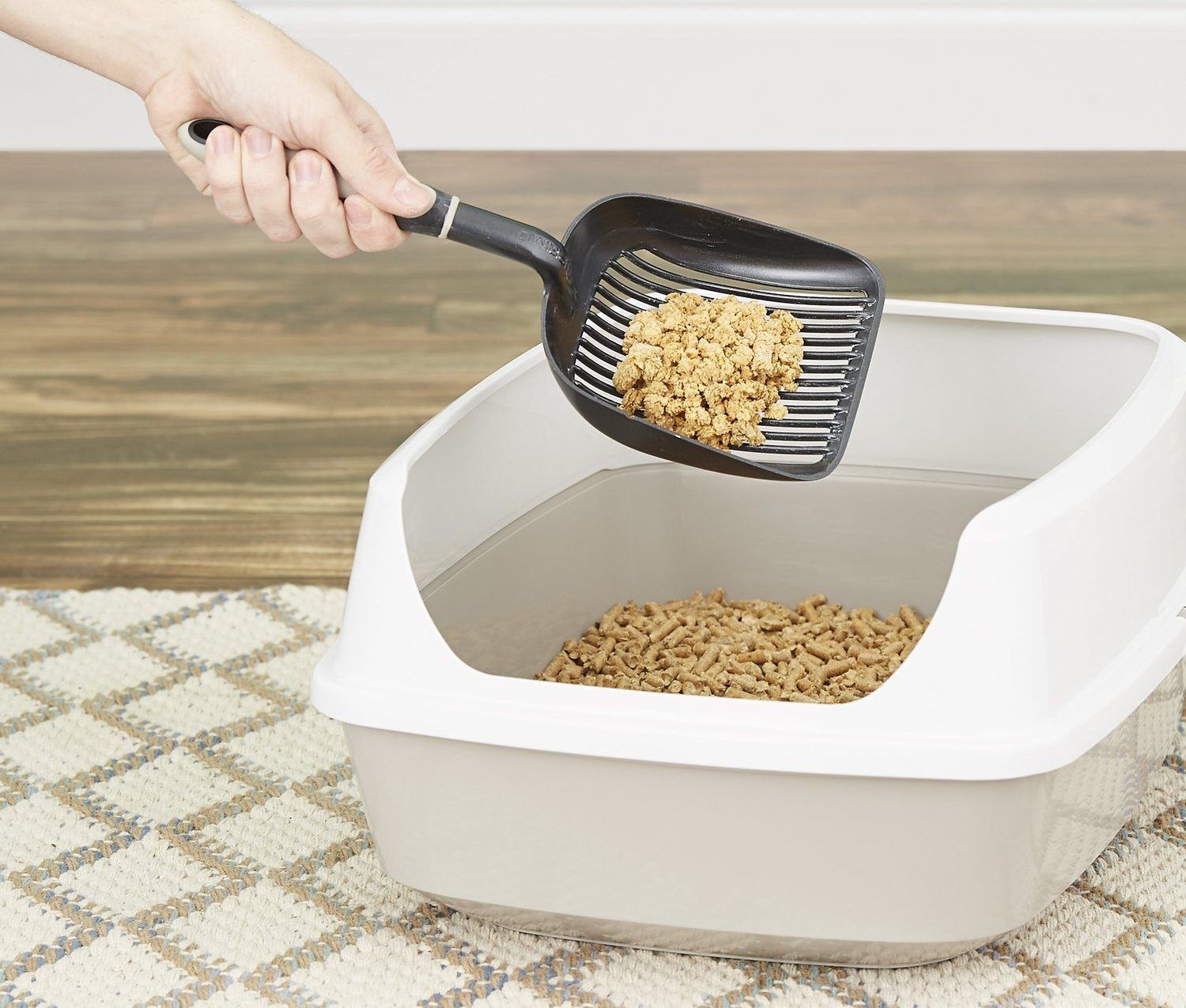
Pine cat litter is one of the most efficient and easy-to-use cat litters on the market today. With pine litter, you don’t have to replace the litter in the box as often. The litter works by keeping the unsoiled litter at the top, while the soiled litter is turned to sawdust and sent to the bottom. That way, nothing gets wasted, and it keeps the good pellets from being thrown away, which saves you money in the long run.

4. Flushable and Disintegrates When Wet
Since the pine pellets turn to sawdust when used, they disintegrate when wet. That also means that in most cases, pine cat litter can be flushed down the toilet without causing a clog that requires a plumber to fix. It also creates less mess and weighs less than clay litter.
These are a few pros of using pine cat litter for your cat’s litter box. However, there are also disadvantages to using pine litter.

Cons of Using Pine Cat Litter
1. May Attract Insects
One of the biggest disadvantages to using pine pellet cat litter is that it might attract insects, and no one wants insects inside their home. Some insects are attracted to pine wood, and others are attracted to organic waste, such as your cat’s feces.
However, the pine litter isn’t causing the insects; the insects were already somewhere in the house, and the pine just drew them out. It’s best to get an exterminator if you see this happening.
2. Contains Trace Amounts of Phenol
Pine contains traces of phenol, which is produced naturally in pine. This substance is toxic to cats. However, it’s usually treated by a process called kiln drying, which evaporates the phenol in the pine until only trace amounts are left behind.
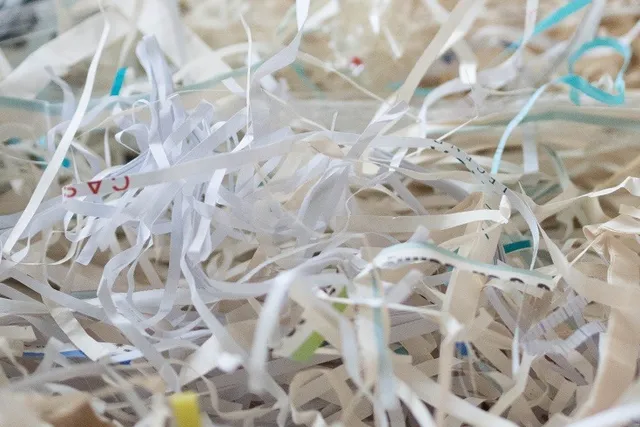
It’s commonly accepted that the trace amounts left aren’t toxic to cats, and many cats use this litter daily with no adverse effects. However, if you’re still concerned, there are alternative litters for you to use instead, such as paper or crystal litter.

3. Pine Litter Might Be More Difficult to Find
While clay (clumping and non-clumping) can be found at any grocery, retail, or big box store, it’s a little harder to find pine pellet litter, so you might have to order it online or go to a pet store. However, as pine pellet litter becomes more popular, this will cease to be an issue.
4. Not Great for Controlling Feces Odor
One other issue with pine pellet litter is that though it has a nice smell and works great on urine, it’s not all that great at controlling the odor of feces. Since the pellets are larger than traditional cat litter, it allows for more room for the smells to diffuse and spread through the air.
On top of that, some cats will not bury their feces in the pellets to begin with, and will leave the waste on top of the litter. The best way to avoid this is by scooping the solids as much and as soon as possible for the best results.

Conclusion
Although clay litter has been the standard for cat owners, pine litter is an excellent alternative. It doesn’t control the feces odor as well as clay, but it has virtually no dust and is safer for pet parents and cats that have respiratory issues. In our opinion, the pros of pine pellet cat litter outweigh the cons. It’s not as readily available as traditional litter and is often more expensive, but it’s worth trying with your cat since it’s eco-friendly and easy on your cat’s paws. Whichever you choose, you still have to clean the litter box regularly to keep your feline healthy and happy.
Related Reads:
Featured Image Credit: photorawjpg, Shutterstock

Expert cat care, straight to your inbox
Vet-reviewed advice, behavior tips, and the best of Catster. Free, and you can unsubscribe anytime.
By signing up, you agree to our Terms & Conditions and Privacy & Cookies Policy.

Patricia is a pet writer and lifelong animal lover. She has two cats (Binx and Link) and one dog (Mystery). Binx was found as a kitten under her house and has been part of the family ever since! Patricia is also a published author under the pen name Skylar McKinzie. When she isn’t writing, Patricia enjoys volunteering at her local animal rescue.
Join the conversation
Ask a question, share your story, or send private feedback.