Ragamuffin vs. Ragdoll: Key Differences (With Pictures)

In this article
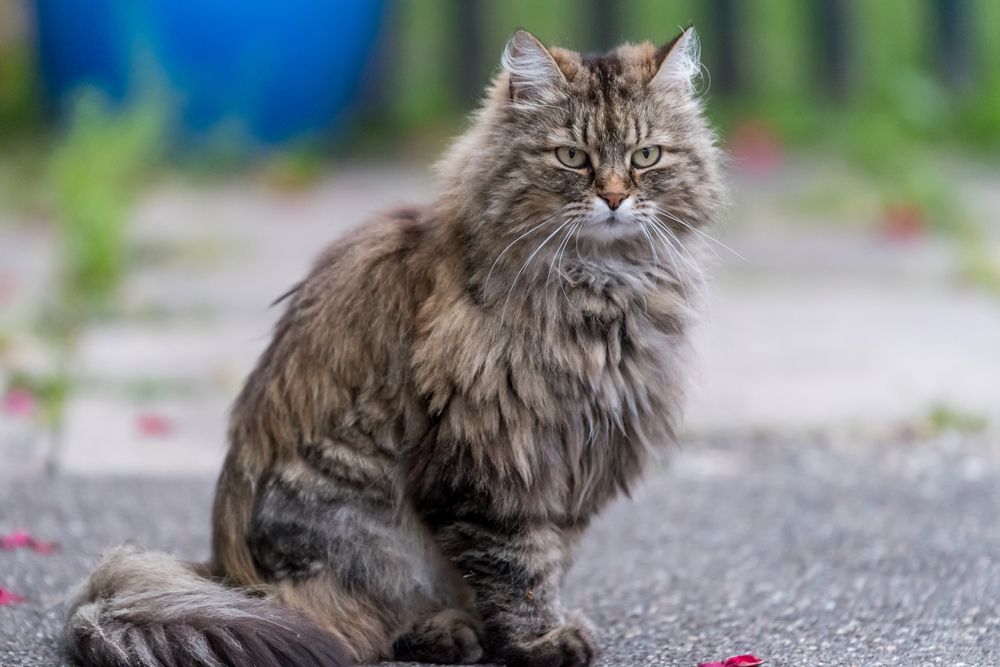
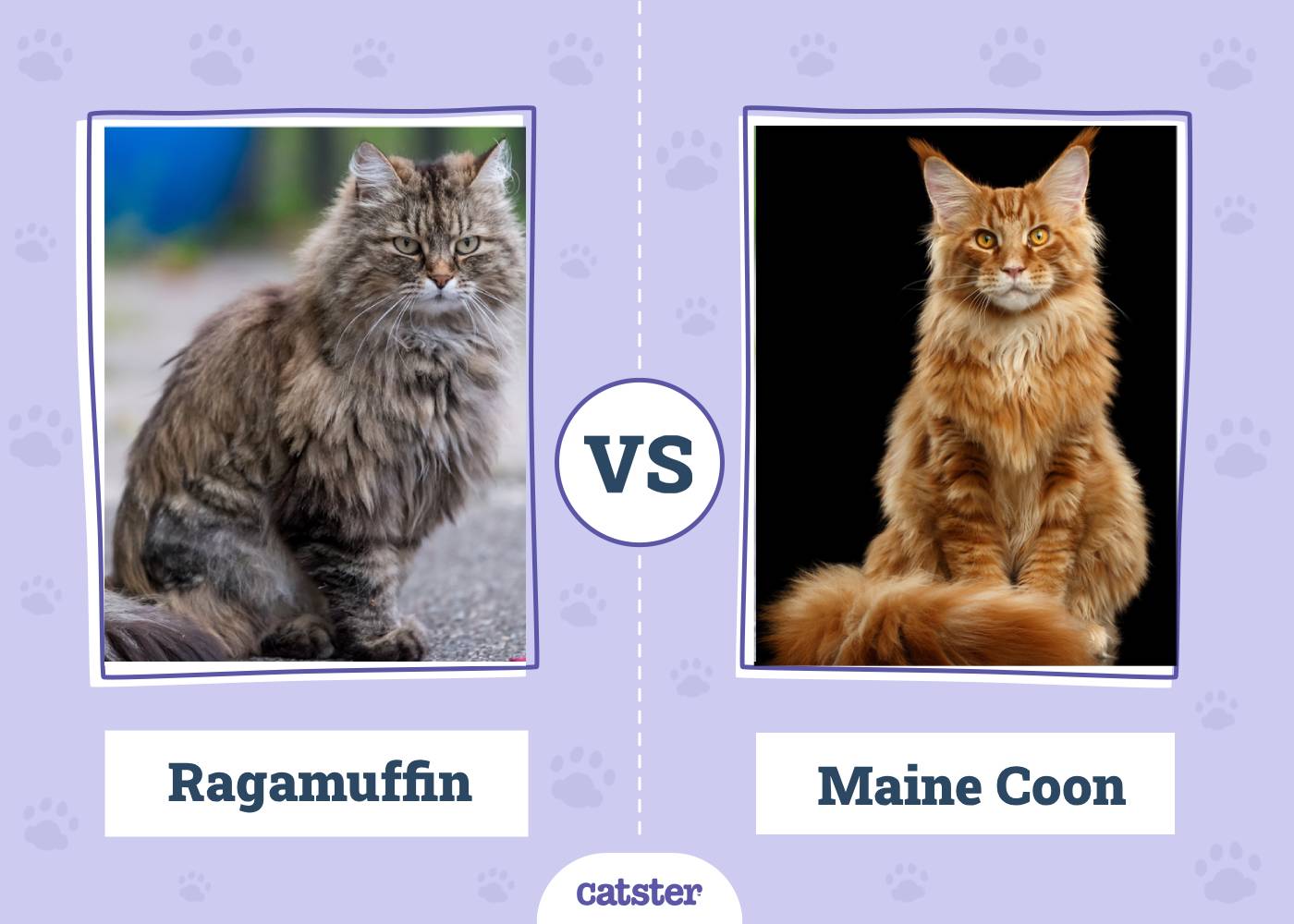
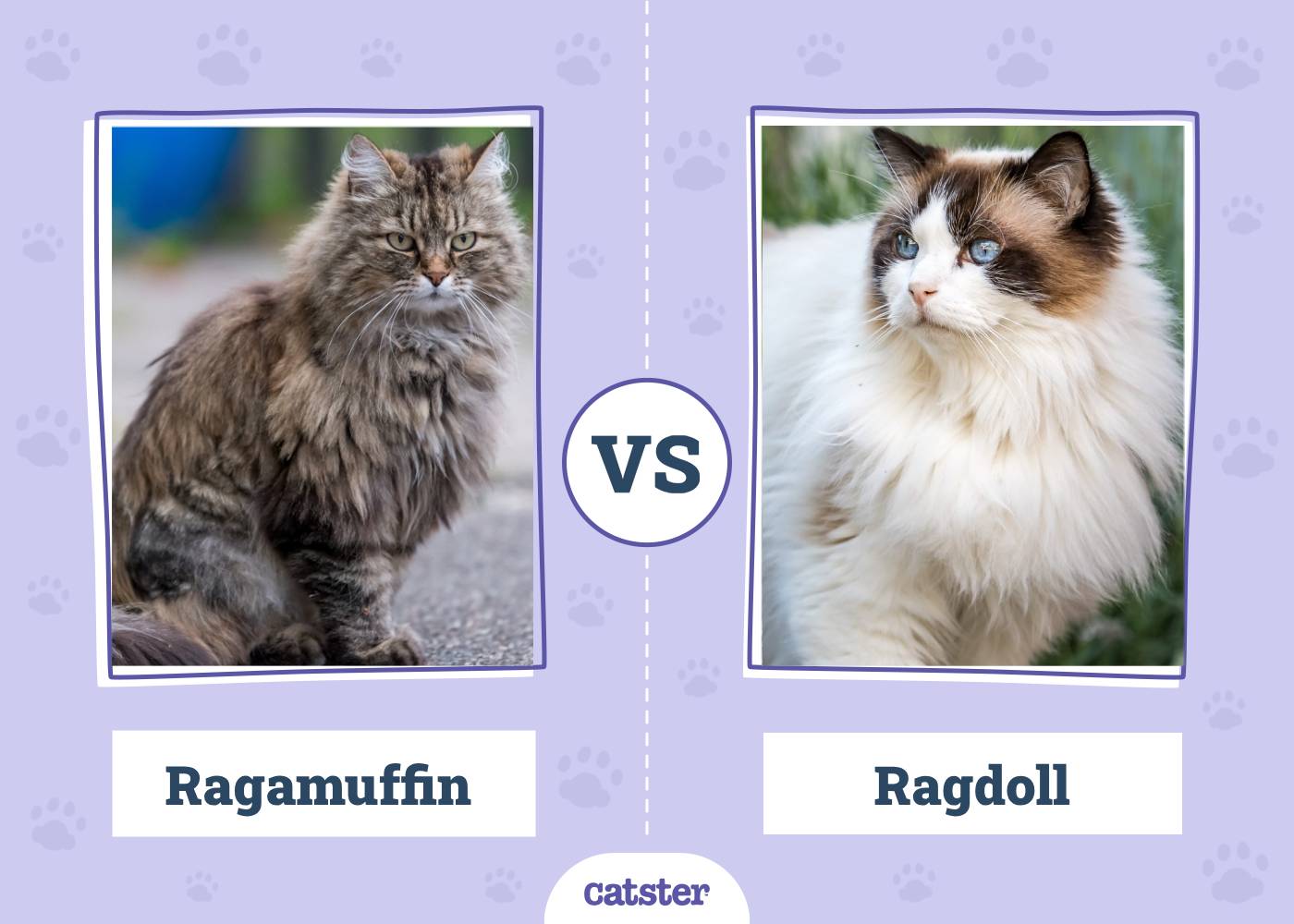
Many people get Ragamuffin and Ragdoll cats confused, and it’s easy to see why. They’re both large, fluffy, affectionate cats. If you don’t know what to look for, telling them apart can be challenging. One of the easiest ways to tell the two breeds apart is by their coloring.
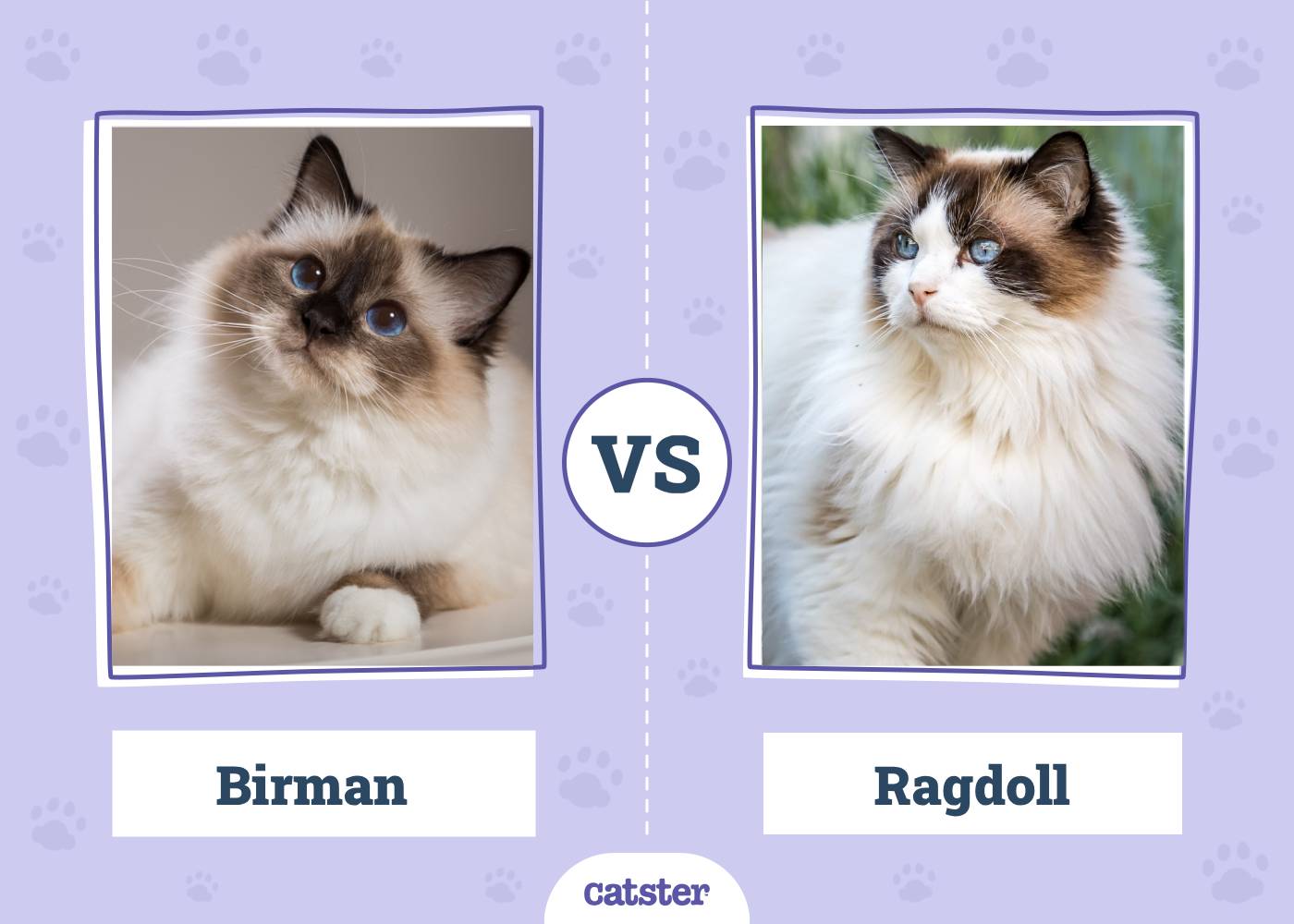
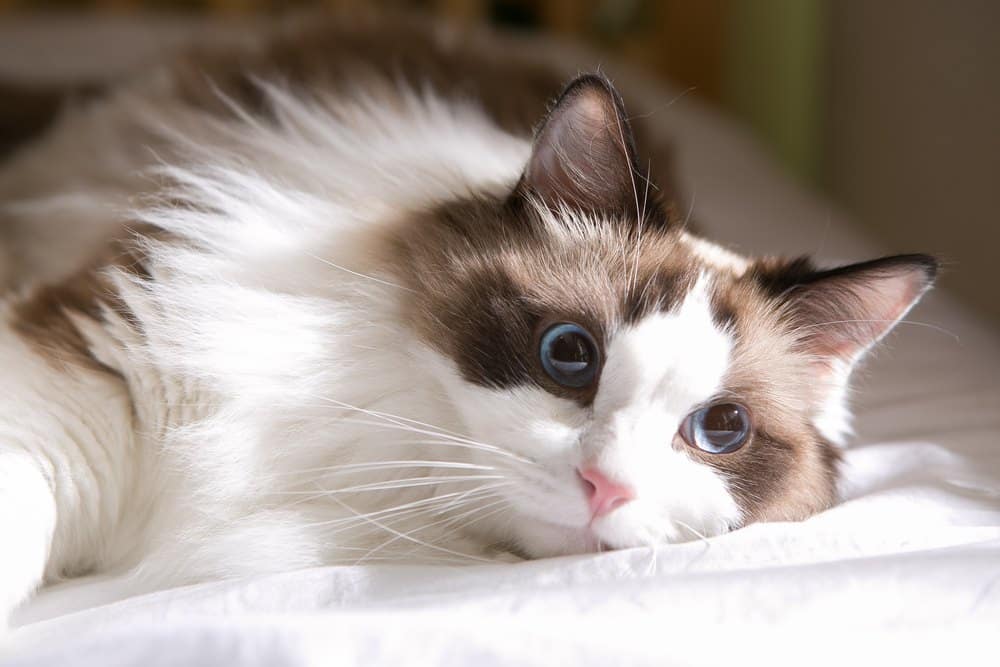
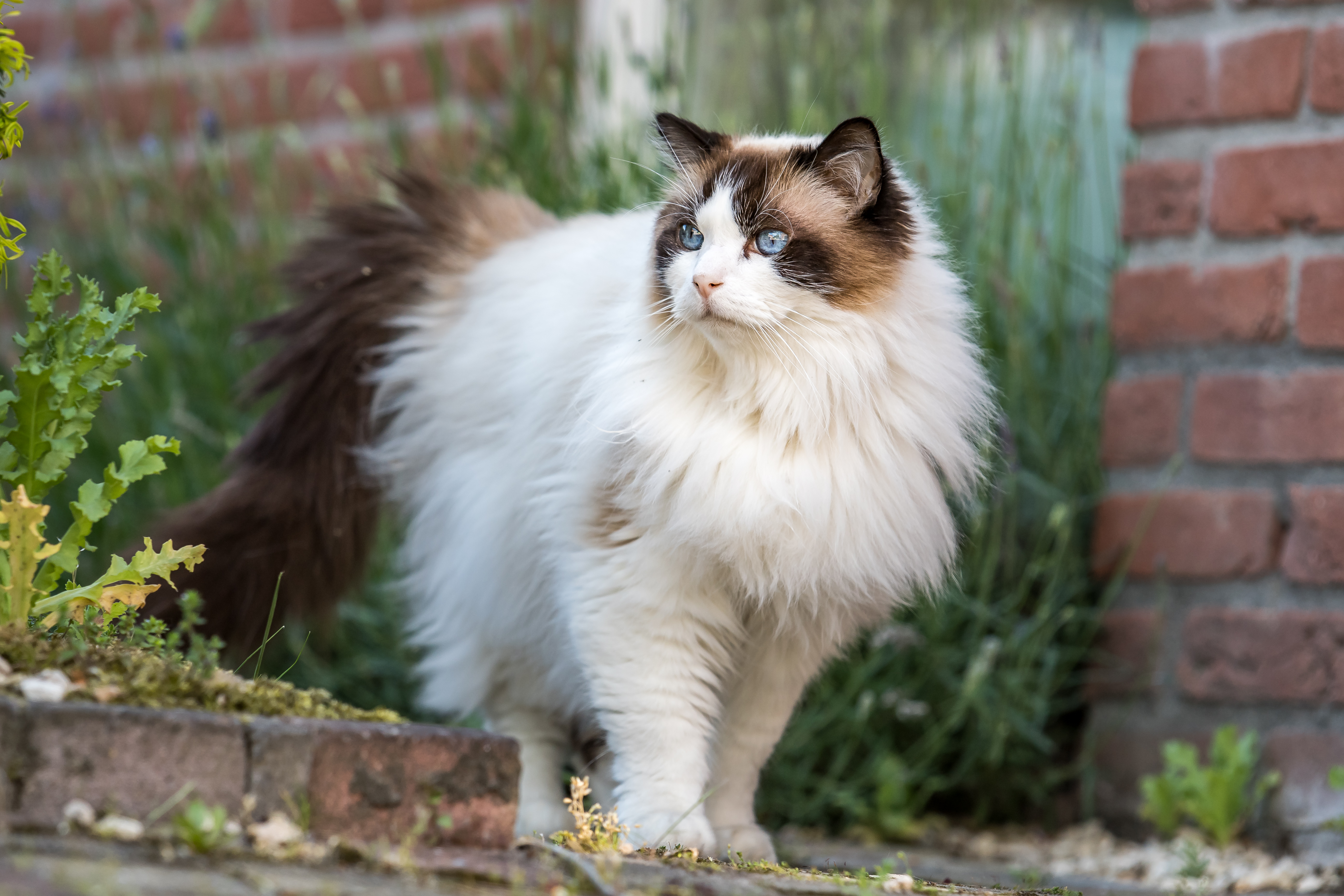
Ragamuffins can come in a wide mix of colors and patterns, while Ragdolls are known for their pointed coloration with darker coloring on the face, ears, legs, and tail.
The Ragamuffin also has round eyes, whereas the Ragdolls are almond-shaped. If you’re still not sure which breed you’re dealing with, try picking them up. If they go limp in your arms, they’re more likely to be a Ragdoll. The two breeds are related, but each has benefits and drawbacks that any prospective owner should be aware of before bringing one home.

Visual Differences

At a Glance

Ragamuffin Overview
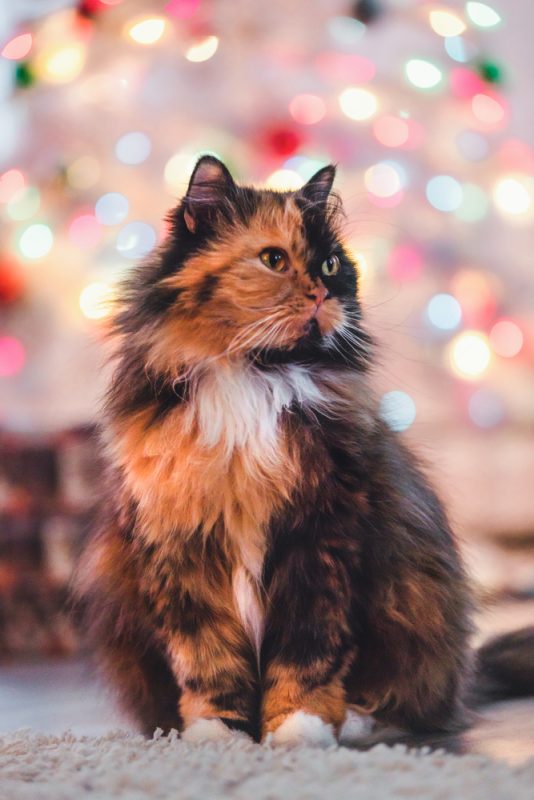
Ragamuffins are relatively new as a breed, and for many years, people thought they were just a type of Ragdoll. However, in 1994, the cats were recognized as a distinct breed, known for their large size, broad chest, and short neck.
If you’re planning to buy a Ragamuffin from a breeder, you should start saving your nickels and dimes since they aren’t cheap. Buying from an established breeder could set you back anywhere from $800 to $2,000, depending on the reputation of the breeder and the cat’s bloodlines.
Personality
These cats are even-tempered, making them great family pets. They aren’t prone to lashing out and can be patient with children, although their massive size means they can do some damage if pushed past their breaking point.
They’re quite playful and can be rather dog-like in this regard. Some Ragamuffins can be taught to play fetch and other games, but for the most part, they’ll be content to play with string or a feather toy for hours on end.
Ragamuffins are affectionate and loving, and many will greet you at the door whenever you come home. They’ll likely glue themselves to your side, so forget about having your lap to yourself whenever you sit down.
Due to their emotional neediness, Ragmuffins don’t tolerate being alone for long stretches very well. If you can't spend much time with your cat, finding a more aloof breed is likely the more compassionate thing to do.
They get along well with other pets, so giving them a friend to play with may be a good idea. Also, unlike many cats, Ragamuffins are known for their gentle, adaptable, and affectionate nature, and many adjust well to family life when properly socialized and introduced to new people or pets gradually.
Training
Most people find it hard to believe that you can train a cat to do anything, but Ragamuffins are quite eager to learn. The catch is that you can’t get them to do anything that they don’t want to do, so your best bet is to shape behaviors that match their existing interests. If they love to chase after balls, for example, you can teach them to play fetch.
Some Ragamuffins have even been taught to walk on leashes, so you can lure your cat into the neighborhood for a leisurely stroll. This can be a tremendous bonding experience, and it exposes the cat to all manner of new stimuli. However, be absolutely sure that they’re securely fastened into their harness before you leave. It’s difficult to find a lost cat, so don’t take any chances.
Take training slowly and always use positive reinforcement. Many Ragamuffins respond well to praise and affection, but you can always add treats to the mix. Be careful not to go overboard, since some large cats can be prone to obesity.
Never use punishment-based training methods when training your Ragamuffin. While they are affectionate and placid, punishment can cause fear, stress, and damage the human-animal bond.

Health and Care
Ragamuffins are a fairly healthy breed, but they can have a few issues you should be aware of. The two most prominent are polycystic kidney disease and hypertrophic cardiomyopathy, so make sure you take your cat in for regular checkups to ensure these issues aren’t cropping up.
They should be fed a complete and balanced diet formulated for cats. You can serve them wet food, dry kibble, or a mixture of the two; we prefer mixing the foods, as that gives them the best of both worlds. If you’re confident in your abilities, you can also feed them a raw diet, but we’d recommend checking with your vet first, as raw diets can carry nutritional and food safety risks if not properly formulated and handled.
Ragamuffins are known for being relatively laid-back, so it’s easy for them to become overweight. To guard against this, don’t allow them to free-feed; instead, give them portion-controlled meals at regular intervals. You should also encourage them to play as much as you can.
Their long, silky coats are tangle-resistant, so it’s not imperative that you brush them daily. Once a week or so is probably fine. They may shed, but typically not excessively. You must brush their teeth, trim their claws, and clean their ears regularly. Some cats can be prone to eye discharge, so wipe any discharge away from their eyes using a clean, damp cloth.
Suitability
These loving, affectionate cats make great companions for just about anyone. They do well in houses with other pets or small children, but you should always monitor the interactions. Ragamuffins are often compared to dogs, as they’re patient, eager to please, and demanding of attention.
The only exception we can think of is anyone who doesn’t have much time to spend with their pet. These cats are highly social, so they’ll likely experience stress or behavioral issues if left to their own devices for too long.
Given their size, they may eat more than most other breeds, so you may not want to bring one home if your budget doesn’t have room for plenty of cat food. Otherwise, it’s unlikely that you’ll regret adding a Ragamuffin to your family.
Ragdoll Overview

Ragdolls were developed by an American breeder named Ann Baker in the 1960s, and they have one distinctive trait: the tendency for some individuals to go completely limp in your arms when picked up, like a ragdoll.
Like Ragamuffins, buying a Ragdoll from a breeder will be expensive. You may be able to snag a kitten for as little as $400, but a show-quality cat can run as much as $2,000 or more.
Personality
Ragdolls are often described as laidback and tolerant. There’s a myth that they’re pain-resistant (they’re not, so please don’t test it). One of the most frequently used adjectives to describe these cats is “floppy.”
They are lap kitties, so don’t be surprised that your personal space no longer belongs to you. They’re not shy about demanding affection, and like Ragamuffins, they will often greet you at the door as soon as you come home.
They make great family pets because they’re just as accepting of children as adults. Your biggest problem will be how the kids treat the cat, not the other way around.
Having many people or pets at home is good for these cats, as they’re prone to social dependence and may not enjoy being left alone for long periods. They’ll seek out company, even if it means just sharing a room with you. It would be cruel to adopt one and then not spend much time with them, so only get one if you’re confident you can provide them with all the attention they need.
These cats can form strong bonds with their owners and may seek out human companionship when people are upset or stressed. If you’re sad or anxious, your Ragdoll may choose to stay close to you. Then again, you can expect your Ragdoll to be by your side no matter what emotions you’re experiencing (but it’s an especially lovely pick-me-up when you’re feeling blue).
Training
It’s possible to teach your Ragdoll to do a few tricks, but like all cats, individual Ragdolls vary in their interest in training and learning new behaviors. They march to the beat of their own drummer, and while they’ll take your desires into account, they don’t feel a particular need to make you happy.
They can also be quite stubborn, so it's probably best to cut your losses if you start getting pushback during training. If your Ragdoll loses interest during training, it’s usually best to end the session and try again later. Continuing to press will likely cause them to dig in their heels, ultimately defeating the purpose.
Your best bet is to convince them to do something they already enjoy while luring them with high-value treats. Don’t give them too many because, like their Ragamuffin cousins, they can easily become overweight.
You won’t have any luck with tactics other than positive reinforcement, as punishing them can create fear and stress and may interfere with learning. You’re trying to bribe them into performing a specific behavior, but if they’re not interested, it simply won’t happen.
If you’re experiencing behavioral problems with your Ragdoll, redirecting the behavior and removing any stumbling blocks is the best way to deal with it. For example, provide them with a scratching post while making their favorite chair off-limits. Punishing them will be counterproductive at best.
Health and Care

Ragdolls are a healthy breed, but they don’t often live as long as Ragamuffins. They’re also prone to hypertrophic cardiomyopathy, but instead of kidney disease, you’ll need to worry about bladder stones with these cats.
They also require a complete and balanced diet formulated for cats, and we recommend a mix of dry and wet food. Once they’re mature, you should be careful not to overfeed them, giving them tightly portion-controlled meals on a regular schedule.
They require more grooming than Ragamuffins, as their coats can become tangled and matted. As a result, you should take a brush to them every day if you can. Most Ragdolls enjoy being brushed, so this can be a positive bonding experience.
They shed a fair amount, but far less than many other breeds of cats. Still, given their propensity for climbing in your lap, don’t be surprised if most of your clothes have Ragdoll fur on them sooner or later.
Ragdolls need their teeth brushed and nails trimmed regularly, and beyond that, the only special grooming requirement that they have pertains to their ears. You should check their ears regularly and clean them as needed using a veterinarian-recommended ear-cleaning product.
Suitability
Ragdolls are well-suited for just about any living situation, provided they have someone to give them plenty of attention and companionship. They’re a poor choice for people who are never home, but most pets are.
They enjoy being around people of all ages and generally get along with dogs and other pets, and they’re usually friendly and welcoming toward strangers.
However, if you or a family member doesn’t like cats, this breed might be a bad fit. They tend to be in-your-face with their attention demands, so it’s hard to escape from them when they have love on their mind.
Ragamuffin vs. Ragdoll: Which Cat Breed Is Right for You?

There’s no wrong answer regarding choosing between Ragdolls and Ragamuffins, as both breeds are incredibly loving and affectionate. They are often described as dog-like cats, and they provide all the characteristics that you love about kitties with few downsides.
Ragamuffins may tend to live longer than Ragdolls. They’re also often described as a little more eager to please, which is useful if you’re hoping to train your cat to do tricks. Then again, they’re also needier, so you may feel overwhelmed by all the attention. At the end of the day, these cats are pretty similar, so if you like one breed, there’s a good chance that you’ll adore the other.
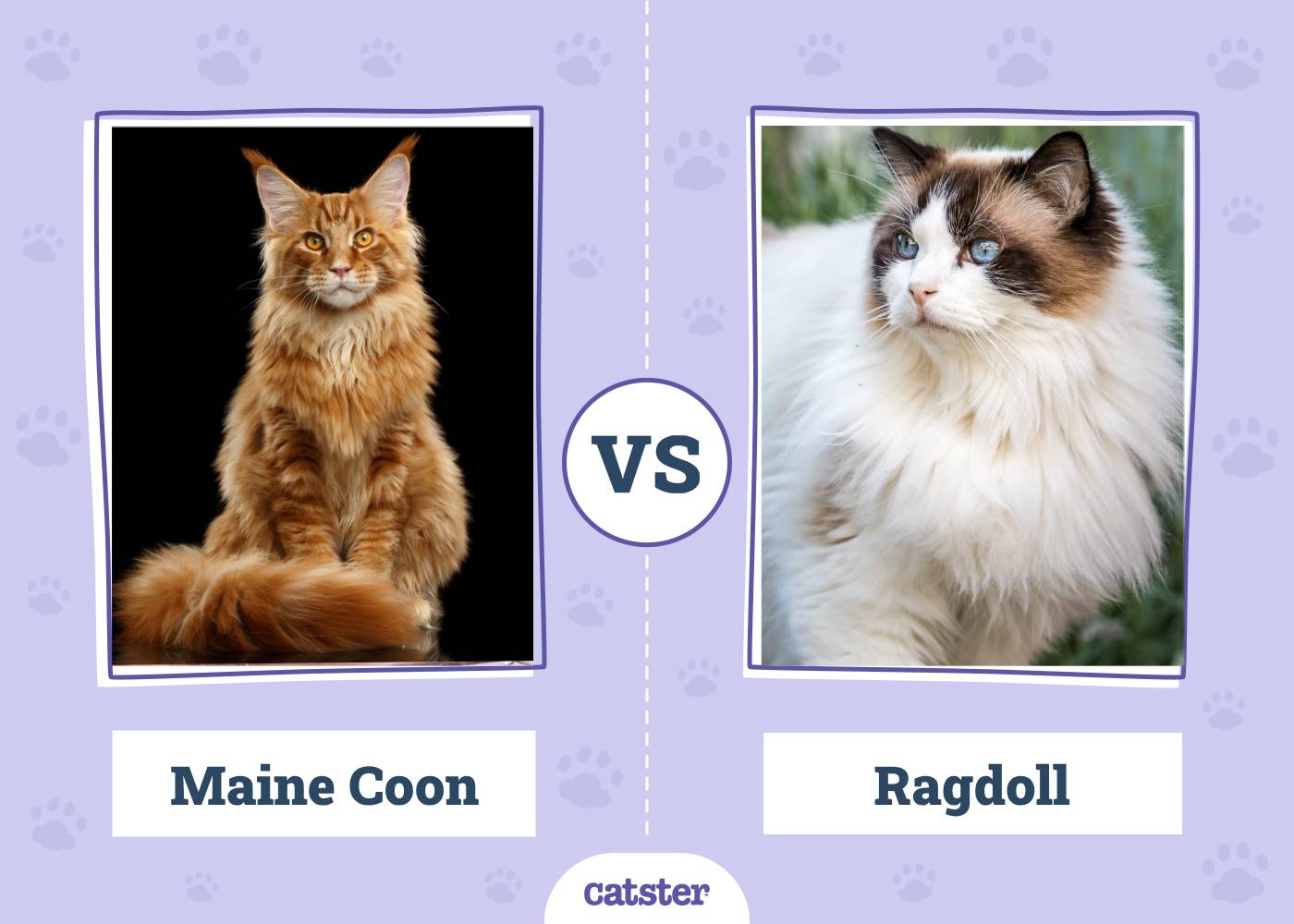
You may also like: Maine Coon vs. Ragdoll: Which Breed Is Right for You?
Featured Image Credit: Left - Benjamin B, Shutterstock | Right - Serita Vossen, Shutterstock

Expert cat care, straight to your inbox
Vet-reviewed advice, behavior tips, and the best of Catster. Free, and you can unsubscribe anytime.
By signing up, you agree to our Terms & Conditions and Privacy & Cookies Policy.
Christian started writing for a local newspaper as a teenager, and he's been involved in the publishing industry for most of his adult life. Combining his love of writing with a passion for animals, he is currently the Director of Editorial at Pangolia and the Editor-in-Chief at Catster.
Christian lives in the Philippines with his wife, son, and four rescue cats: Trixie, Chloe, Sparky, and Chopper.
Join the conversation
Ask a question, share your story, or send private feedback.