Are Kuppies Real? Can Dogs & Cats Crossbreed? What Science Says

In this article
Tales from all over the world have been told of some seemingly impossible things happening on our planet. You are sure to have heard of or even seen interesting hybrid animals that result from crossbreeding certain species. While hybrids in general are real, some are flat-out impossible.
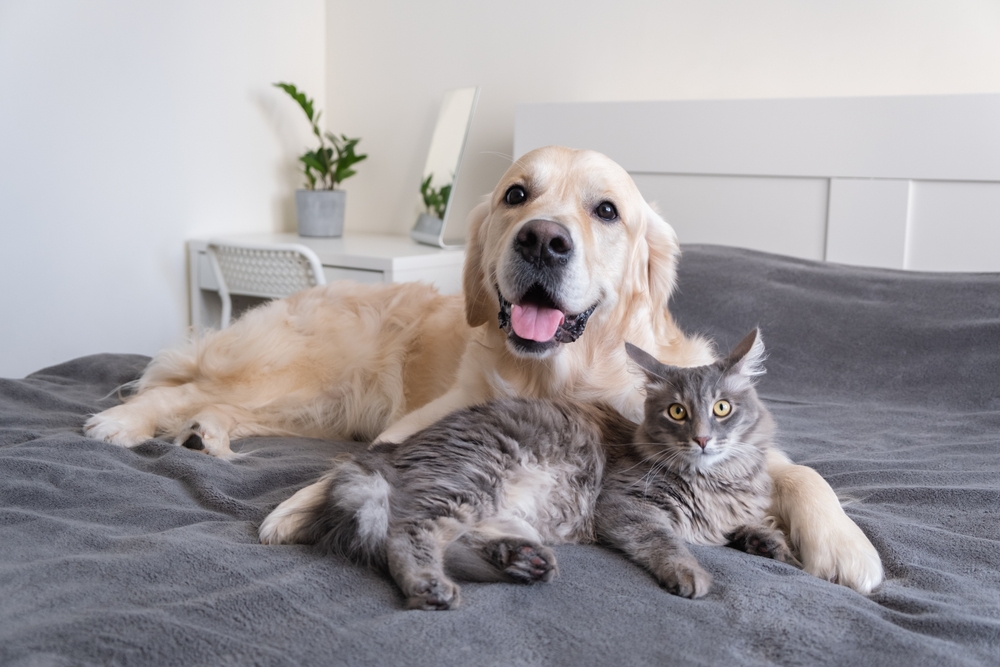
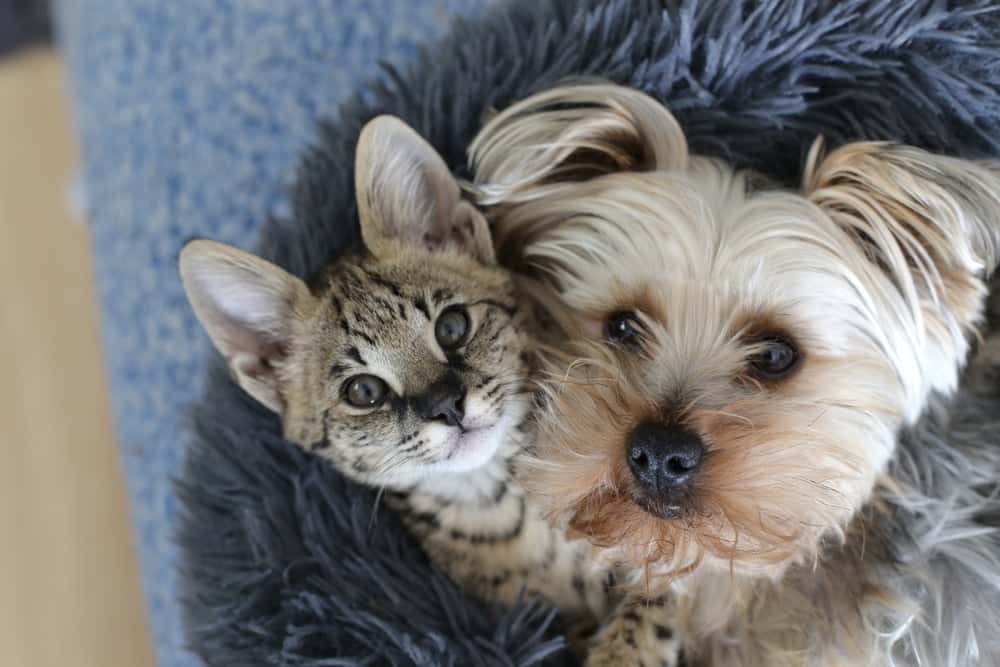
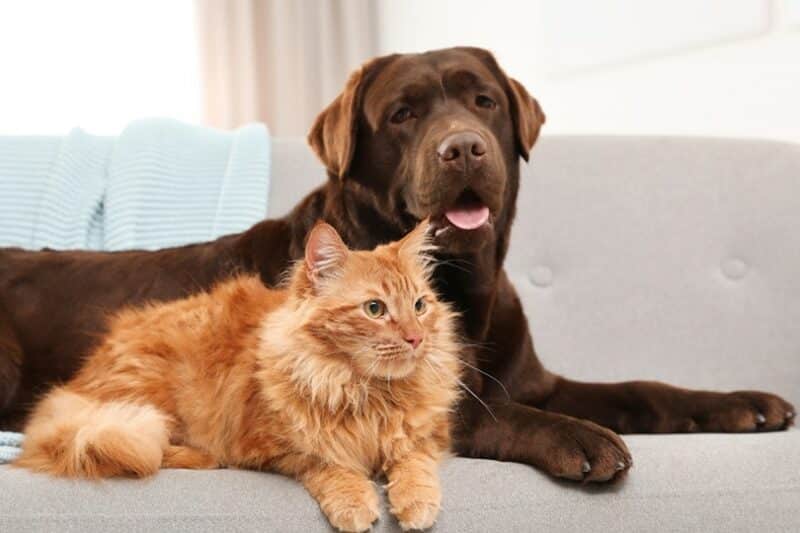
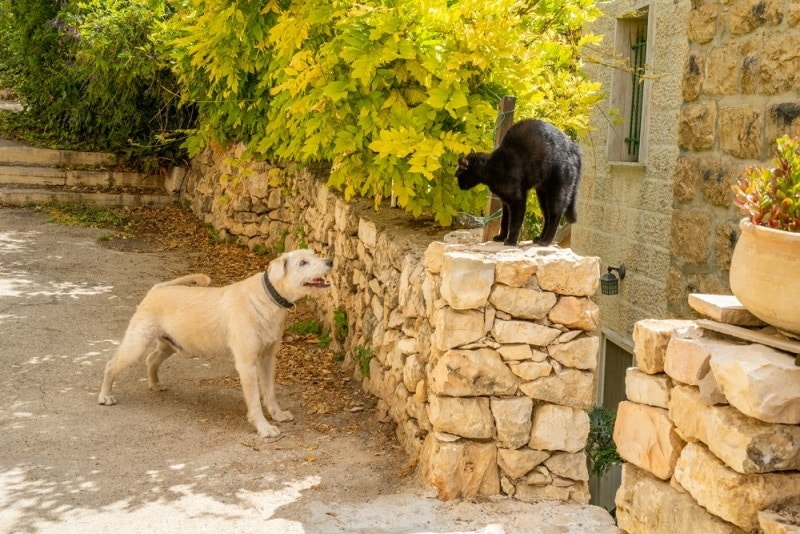
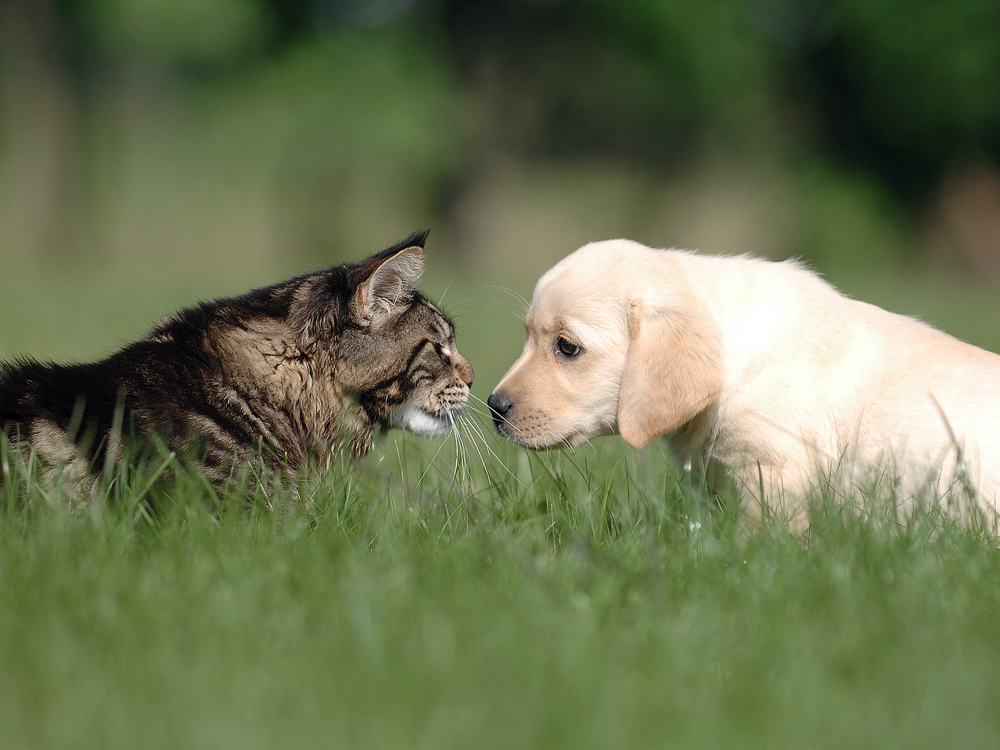
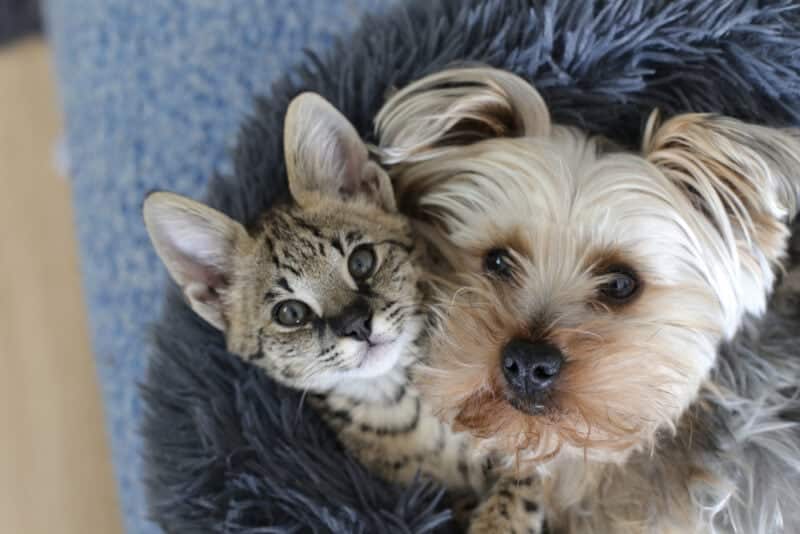
One of those off-the-wall stories is that of the kuppy, the hybrid offspring between a cat and a dog. Thankfully, we have scientific advancements and proven facts on our side to help us weed out fiction from non-fiction, and we can assure you that kuppies are not real.
While it may seem like it would be a dream come true for those who are divided down the middle between being a cat person or a dog person, cats and dogs cannot interbreed.

Why Dogs and Cats Can’t Crossbreed
Not only do dogs and cats have different reproductive anatomy and courtship behaviors, but they are also genetically distinct from one another. Dogs have 78 chromosomes1 split into 39 pairs, while cats have 38 chromosomes2 split into 19 pairs, making it impossible to create a kuppy or a ditten.
To put it simply, species that are different but still closely related have the same sequence of base pairs that form the structure of DNA, making a hybrid possible. Cats and dogs do not have this similarity in DNA; therefore, they can't produce offspring.
It’s All About the DNA
Mules are among the most widespread and well-known hybrid animals that are a cross between a male donkey and a female horse. Both of these animals are of the equine family, but horses have 64 chromosomes, while donkeys only have 62. Since all offspring get 50% of their DNA from each parent, the mule is left with only 63 chromosomes.
Since 63 cannot be evenly divided into two, mules are sterile. Male mules cannot produce viable sperm, and while there have been a few reports of female mules giving birth to a male donkey foal, this is incredibly unusual3.
Some closely related species do have the same number of chromosomes, however. Excluding humans, all other great apes have a total of 48 chromosomes that are arranged in 24 pairs, theoretically making it easier for these great apes to hybridize than donkeys and horses.

The Facts Behind Hybrids
Most species in the animal kingdom cannot and will not interbreed for various reasons. This is largely due to the significant differences in genetics that make it impossible to do so. There are cases where closely related species produce viable hybrid offspring, though.
The number of chromosomes can be off by one or a few pairs and still result in a viable hybrid species, but there are typically genetic consequences to this kind of pairing. The imperfect exchange of genetic information between two closely related species often leads to sterile offspring.
Hybridization in the Natural World
Many closely related species, like lions and tigers, for example, are geographically separated, making it impossible for the two to interbreed, but other species share the same range and have hybridized naturally.
Beluga whales and narwhals have been proven to interbreed, resulting in the hybrid known as the narluga, which was first discovered in Greenland. Grizzly bears and polar bears have also paired in the wild and created what’s known as the grolar bear. There are plenty of other examples, including plants, insects, and more, that have naturally hybridized.
Humans are often behind the pairings of two different species for various reasons. For example, mules were created as pack animals and to aid in agriculture. They possess a horse's size and intelligence and a donkey's strength and courage.
A lot of fruits and vegetables you will buy in the supermarket have also been purposely hybridized to bring out the best properties of the existing fruits.

Most Popular Hybrid Animals
The kuppy may be a hoax that has been brought up several times throughout history, but even though it isn’t in the cards, there are plenty of other impressive hybrids out there.
Here’s a list of the most popular hybrid animals that result from interspecies pairings:
Cats With Dog-Like Traits (and Vice Versa)
Kuppies are too good to be true, and your only chance of having a dose of a catdog is by turning on the old Nickelodeon show, so where does that leave you? If you are looking for either a dog or cat that takes on some of the traits of the opposite species, there are breeds on both sides that you could consider.
The 7 Cat Breeds That Act Most Like Dogs
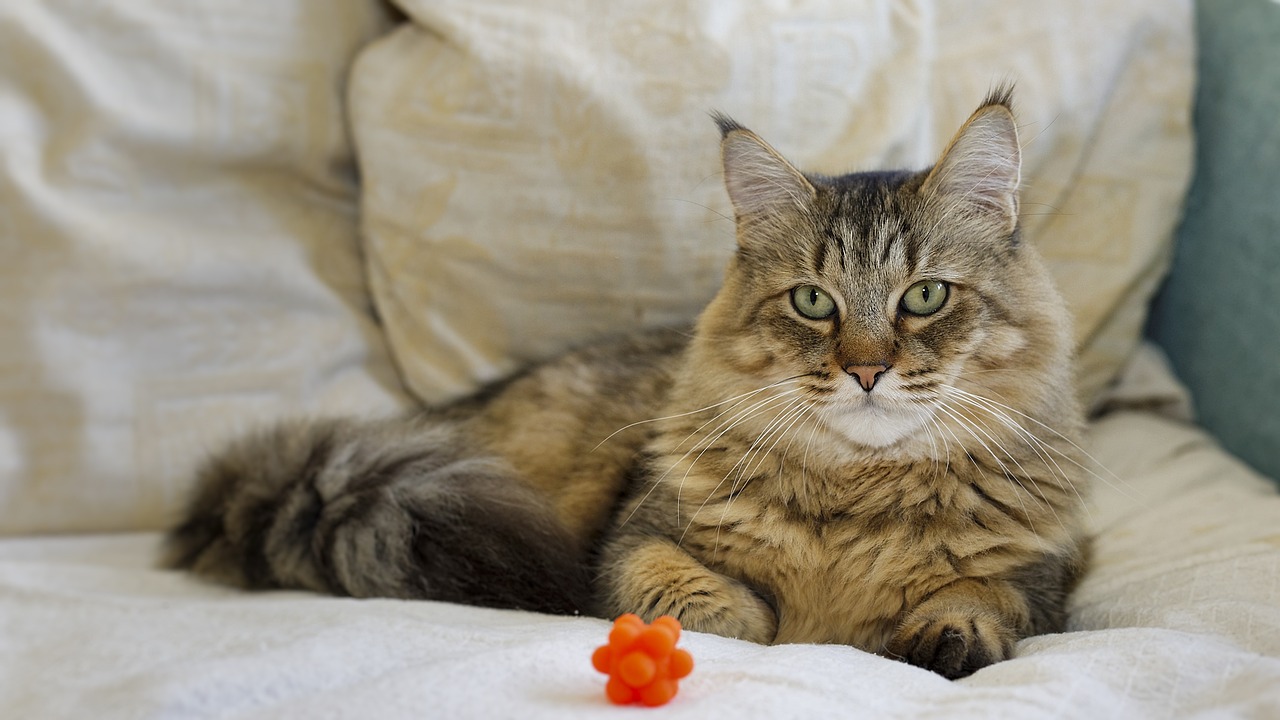
1. Maine Coon

The Maine Coon is one of the most popular cat breeds and is a great choice for owners looking for a cat with dog-like traits. Known for being gentle giants, they're very playful, friendly, and snuggly and will sometimes even get in on a game of fetch with you.
2. Ragdoll

The adorable Ragdoll is a very docile cat breed that loves to socialize, play, and soak up affection. They are Velcro kitties that are full of love and trust for their people They have no problem following their owners around the house. They also like to stay close to the ground rather than perch like most other cat breeds.
3. Manx

The Manx is not only known for their lack of tail but also for their love for people and tends to come when beckoned. They typically get along great with children and other pets and will most likely keep control of the mouse population in your home.
4. Bengal

The Bengal themselves are a hybrid species. This combo of the Asian Leopard cat and a domestic housecat is generally very sweet and loving but can also be aloof to strangers. They become attached to their owners and will thrive on lots of exercise and various activities. They are not a breed meant for everyone, but they do have some dog-like traits.
5. Savannah Cat

Another hybrid species is the Savannah Cat. They have playful personalities and tend to be extremely adventurous. Unlike most other cats, they love to play in the water, can be trained to walk on a leash, and can even be trained to play fetch.
6. Burmese

The Burmese will melt your heart not only with their adorable looks but also their loving, dog-like personalities. These cats won’t stray too far from your side and will be the first to crawl in your lap for some snuggles and pets.
7. Abyssinian

This breed craves people and will even come to you when called. They will often greet their owners at the door and may even be a bit protective against strangers. The Abyssinian is another cat breed that is so friendly, they typically get along great with children and other animals.
The 7 Dogs Known for Cat-Like Characteristics
1. Basenji

The infamous barkless Basenji may not purr but is very nimble and quiet. They are known for being more catlike than most other dogs. They can also be aloof and have a very stubborn streak. If the Basenji has it their way, they’ll only listen to you when they feel like it.
2. Chow Chow

The Chow Chow is a big dog, so they may resemble a lion more than they do a domestic housecat, but they have some feline-like traits that are worth mentioning. This breed is notoriously clean and easy to housetrain, much like a cat. They are also stubborn and willful, which are traits that cats are no strangers to. This is a powerful dog breed with a unique personality, so they are best suited to owners with experience with the breed.
3. Papillon

This small toy breed from Japan is very curious and agile and will love to snuggle up on your lap, much like most cats. This breed is typically very outgoing and happy and will do well in a home with cats too.
4. Shiba Inu

Shiba Inu has a reputation for being potty trained quickly and easily. They form strong bonds with their owners but are typically aloof with others. They also have an independent streak that will remind you of a cat.
5. Greyhound

Greyhounds may be known for their speed, but they love nothing more than being a good old-fashioned couch potato. These dogs are quiet and don’t require a lot of exercise. They typically do great in apartments and smaller homes, whereas most dogs of their size do not.
6. Manchester Terrier

The Manchester Terrier will take over the mousing for you if you don’t have a cat. These dogs are small, athletic, and graceful and love to hunt—much like another species that we all know and love.
7. Whippet
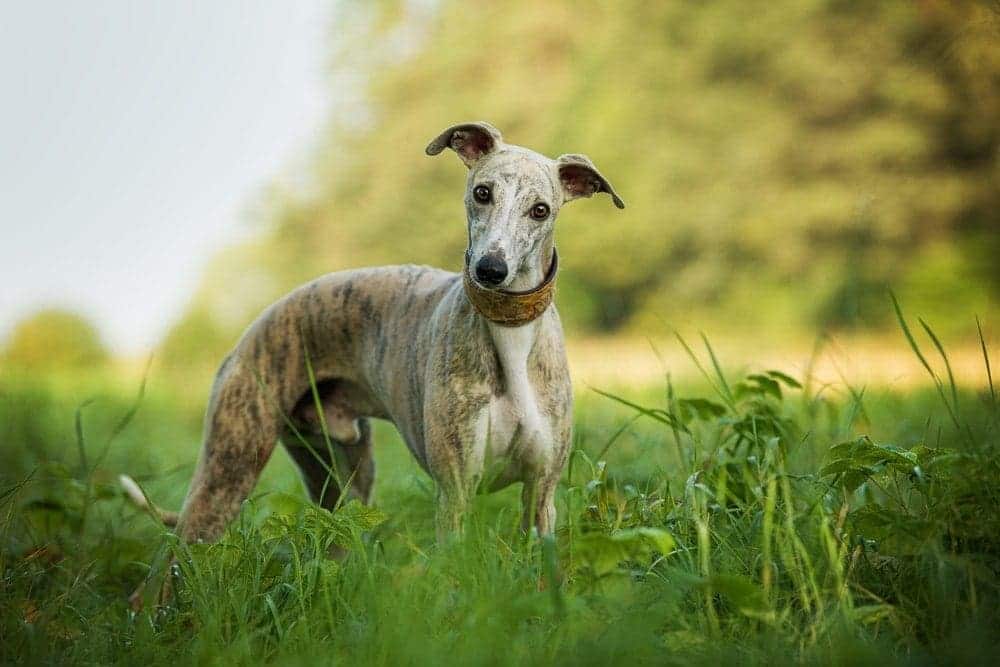
Similar to the Greyhound, the smaller-sized Whippet is another breed known for racing and is also a lover of sofas. Curling up and going to sleep is their favorite pastime. They also get along great with cats, so it’s a win-win.
Conclusion
Kuppies aren’t real because dogs and cats can't interbreed. There have been many tall tales, hoaxes, and April Fool’s jokes about them, but no amount of storytelling or internet rumors could craft up a mix quite like this. Hybrids do exist, though, but only between more closely related species. Now, could the infamous kuppy be artificially produced in a secret lab on an island somewhere? The world may never know.
See Also:
Short Hair Ragdoll Cats – Does This Breed Exist? Facts & FAQ
Is a Maine Coon Savannah Mix Possible? What You Need to Know!
Featured Image Credit: AJR_photo, Shutterstock

Expert cat care, straight to your inbox
Vet-reviewed advice, behavior tips, and the best of Catster. Free, and you can unsubscribe anytime.
By signing up, you agree to our Terms & Conditions and Privacy & Cookies Policy.
Lindsey and her husband enjoy traveling the US with their kids and photographing wildlife. Her passion is to educate others on the importance of proper animal care, with an emphasis on reptiles and exotics since their care requirements can be much more complex. She is also a huge advocate for bully breeds. She feels most at home in the forest either on horseback or in hiking boots.
Join the conversation
Ask a question, share your story, or send private feedback.