Kitten Biting: Why, How to Stop It & What Not to Do (Vet Approved)


In this article
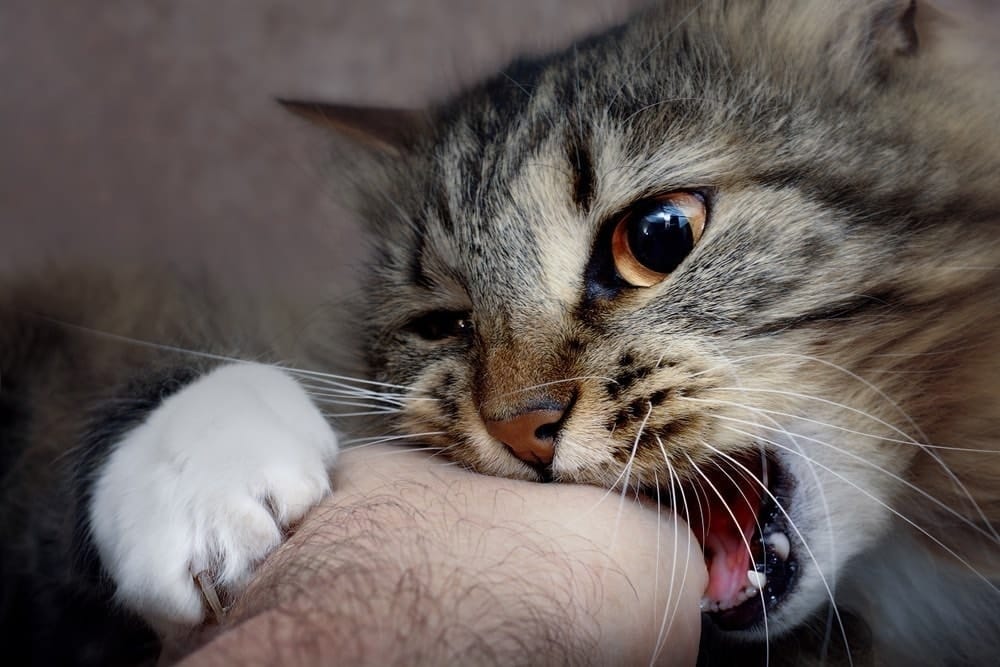
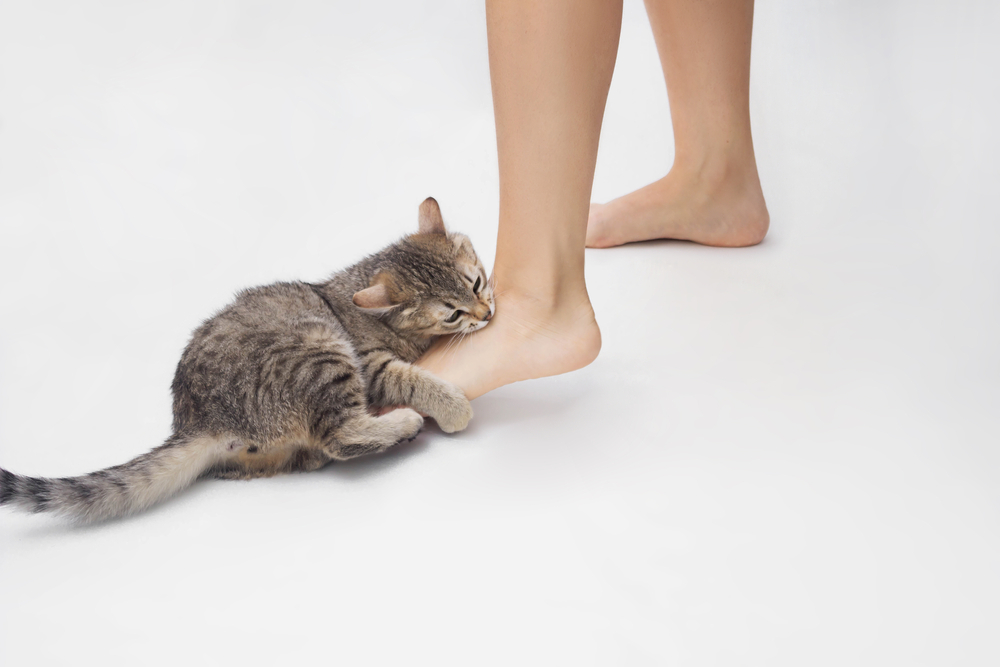
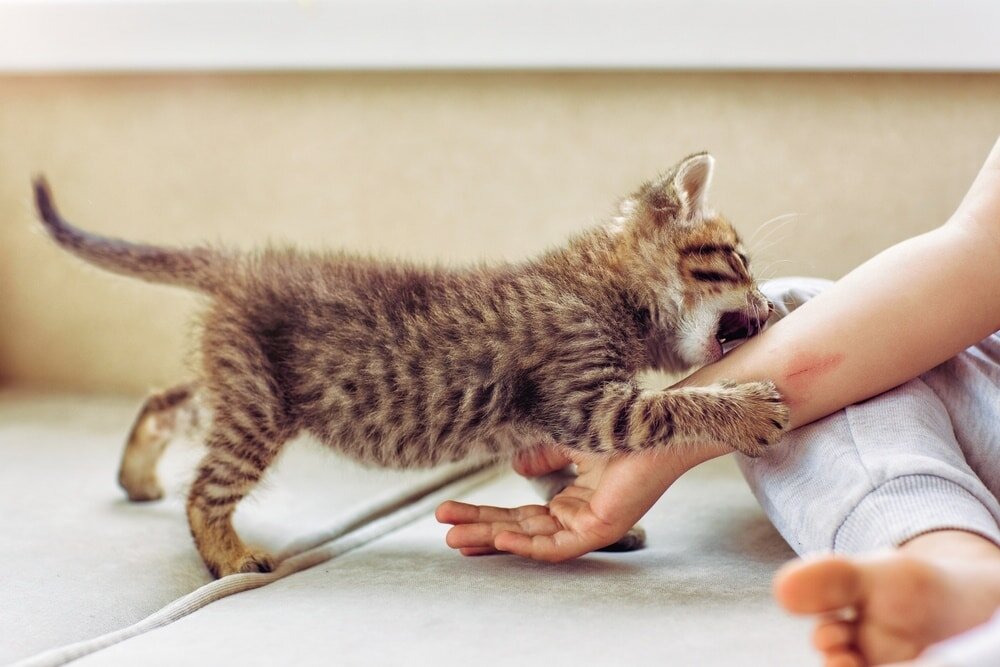
Kittens are adorable, and getting a kitten can be a fun and exciting time for anyone. Unfortunately, one of the first things people learn is that kittens adore biting. Sometimes, kittens can bite hard, and sometimes, they seem to want to bite you all the time. This can be highly frustrating and annoying, leading to a break between you and your kitten. One of the most important things to learn is that biting is completely natural for kittens, and it doesn’t mean that your cat is aggressive or unfriendly.
The good news is that you can easily weather the biting phase with your kitten with the right information and tips. Here is everything you need to know about a kitten’s biting behaviors, including why they do it, how to stop it, and what to avoid doing.

Why Is My Kitten Biting Me?
1. Teething
Most people don’t know that kittens have baby teeth. A cat’s first set of teeth only lasts for a few months at the very start of life. By four months of age, kittens start losing their baby teeth, and their adult teeth come in. During this time, a kitten may start biting more. This is due to the changes and discomfort in their mouth. This is natural behavior, even if it can be frustrating. Biting behaviors will generally taper off after the teething phase is over. While teething, cats will look for things to bite and chew, and if you are nearby, that can include you.

2. Playing
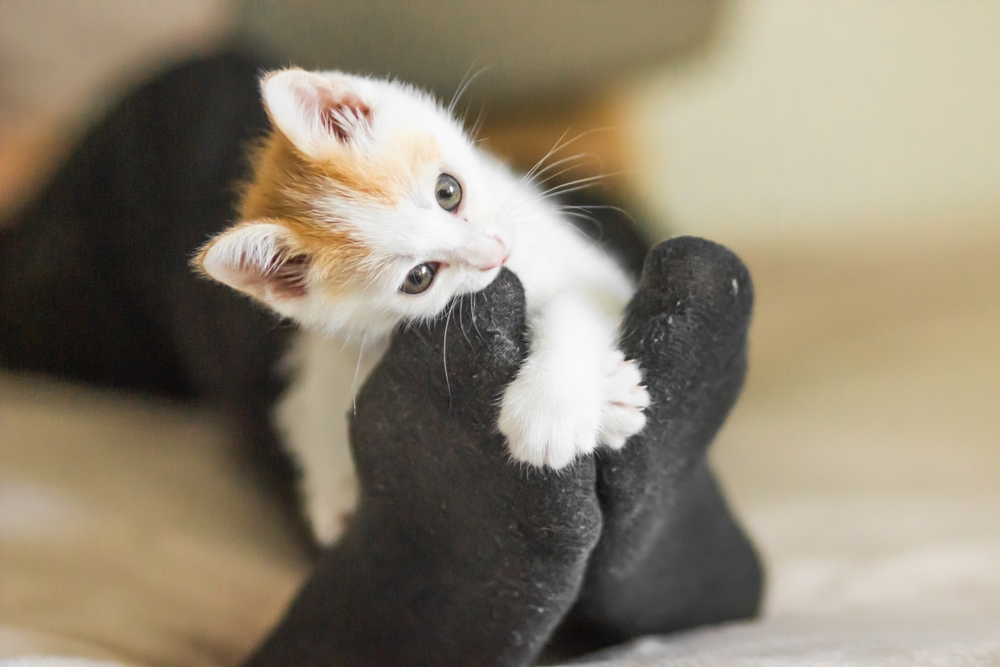
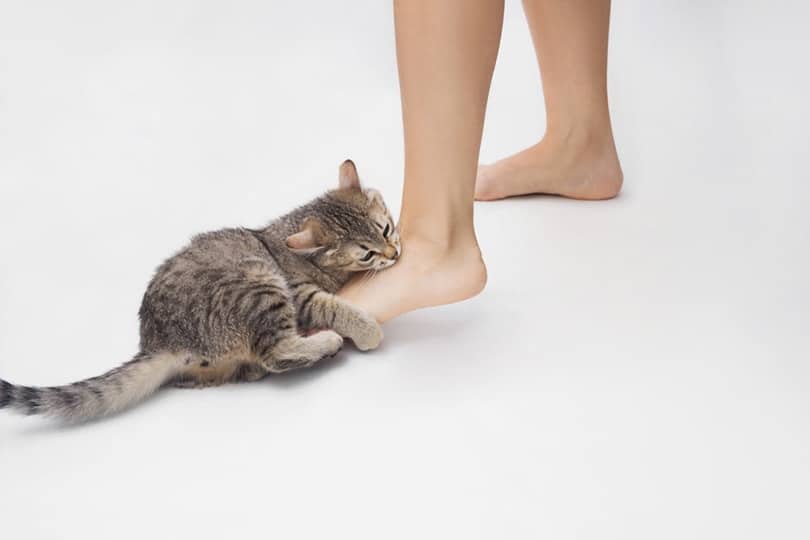
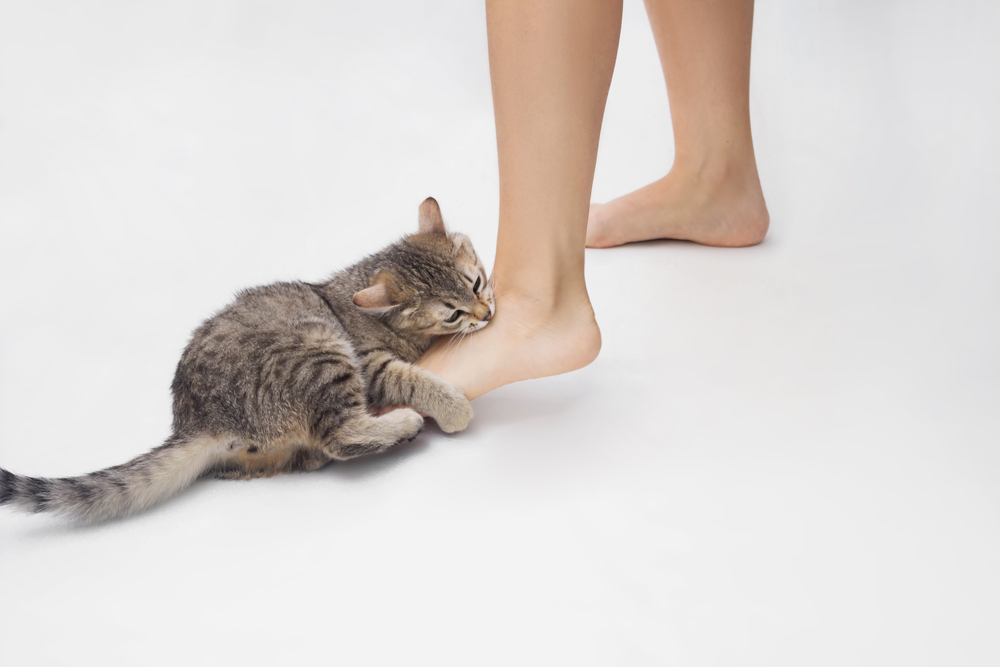
Kittens are very playful. Playing at a young age helps to reinforce instincts, which will help them learn to hunt as they grow older. There are two main things that cats use to hunt: claws and teeth. Therefore, playing generally includes the use of claws and teeth. Playful biting is usually not that hard, while real bites can cause a lot of pain and even draw blood. Playful bites should never break the skin. Like teething, playing is a natural instinct, and trying to shut it down is not the best course of action. Kittens will generally become less playful as they age and settle in.
3. Nursing Instinct
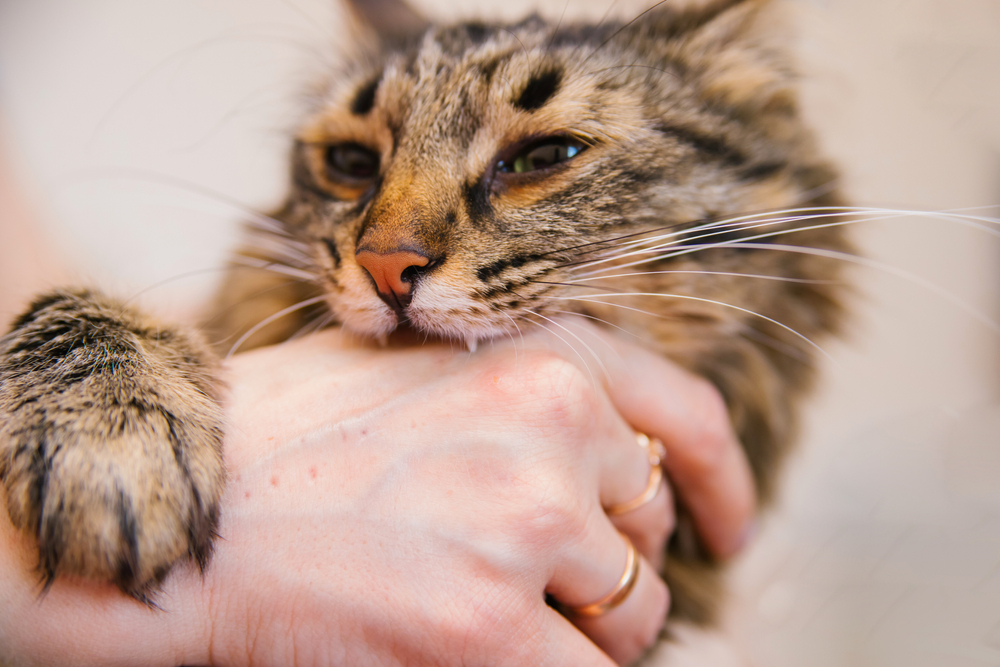
Kittens start their life by nursing off of their mother. As a kitten grows older, nursing instincts can progress into light bites. Kitten bites may be related to this suckling motion, and light bites could be your kitten continuing to experience suckling and nursing instincts. In this way, suckling or nursing bites can also be a sign of affection.


Why Does My Kitten Bite So Hard?
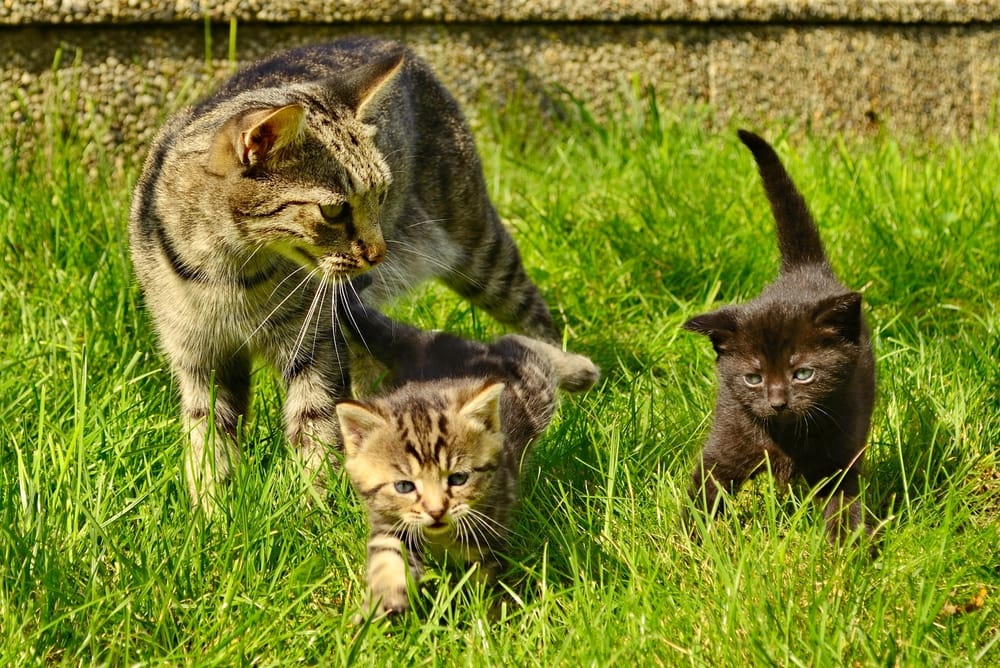
One of the things that a mother cat does when rearing kittens is teach them what is acceptable and what is not. A mother cat will scold and punish kittens for biting too hard and hurting other kittens or her. The mother might pick up the kitten by the scruff of the neck and move them away if they are misbehaving. A kitten learns what is acceptable from their mother. If your kitten was taken from their mother too early or didn’t spend much time with the mother, they might not have learned what acceptable behavior is. This can lead to biting that is too hard or painful.
You can “scold” your kitten as their mother would have by picking it up and placing it somewhere else to teach them that biting too hard is not acceptable. By moving your kitten in the same way their mother would have, you will teach them that it is not okay to bite you.
Why Do Kittens Bite Fingers So Often?
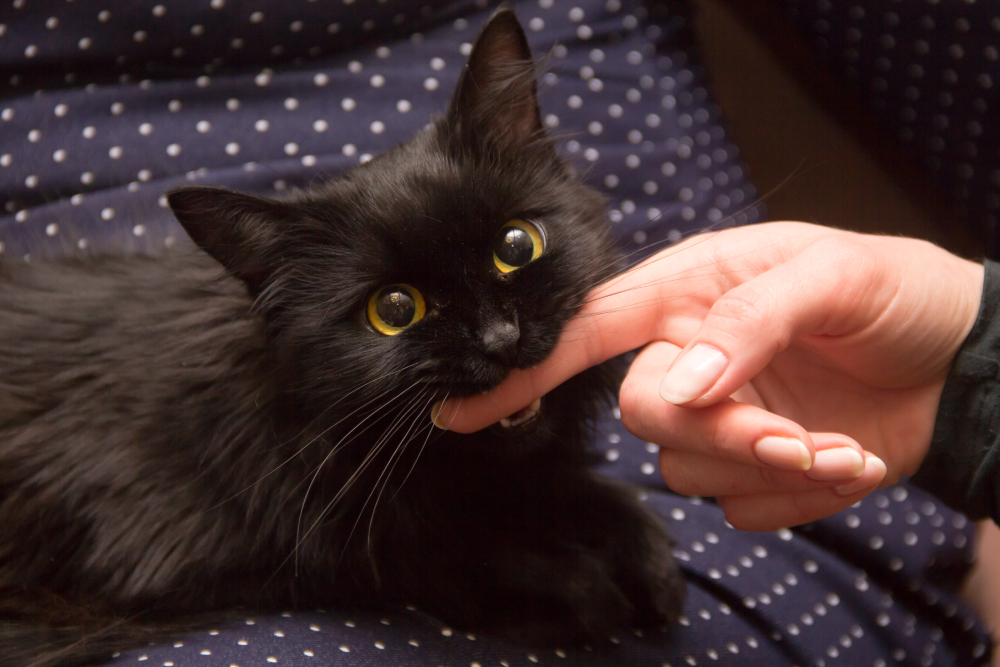
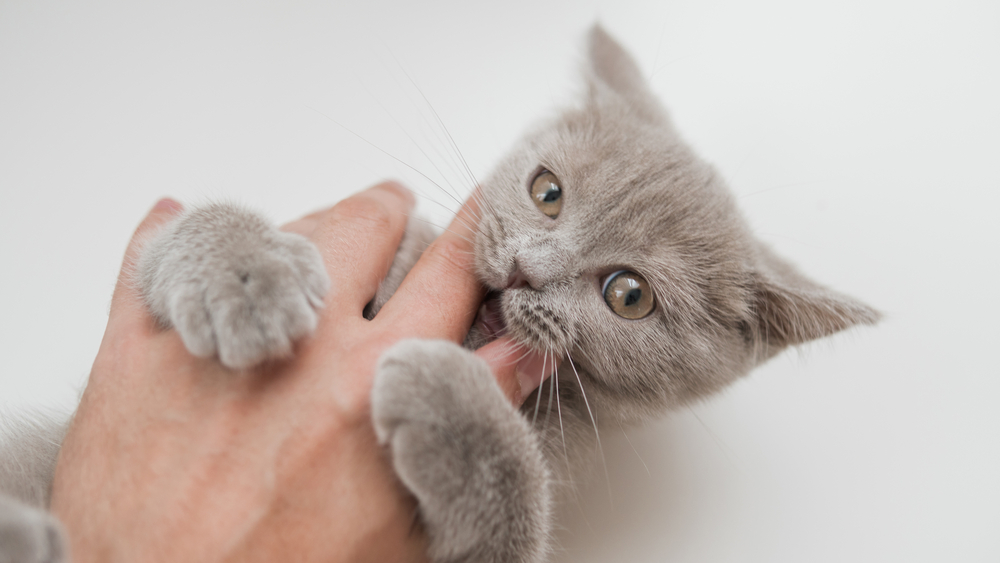
One frustrating thing you will notice with kittens is that they seem to enjoy biting fingers more than anything else. Why is that? Fingers are small and move in a way that is wriggly. The shape of your finger, combined with the way it moves, activates the hunting portion of your kitten’s brain. Your fingers evoke hunting instincts in your kitten, and they will attempt to hunt your fingers like they would a small snake, worm, or baby mouse. The best way to stamp out this frustrating behavior is not to use your hands as a toy.

How to Get a Kitten to Stop Biting
There are a number of ways to stop your kitten from biting. Biting is a natural behavior, but it is one that will typically go away as your kitten ages. Here are some things you should try if you are struggling to get your kitten to stop biting you.
1. Provide Plenty of Toys
All kittens will bite or try to bite from time to time. The best way to get this behavior out of the way is to provide your kitten with plenty of toys. Give them something that they are allowed to bite. This will give them an outlet for their playful behavior and will redirect their biting toward something constructive rather than something painful or annoying. You should consider getting some small, fluffy toys, a wand, and a scratching toy to start out, and then pick toys based on which type of toy your kitten enjoys the most.
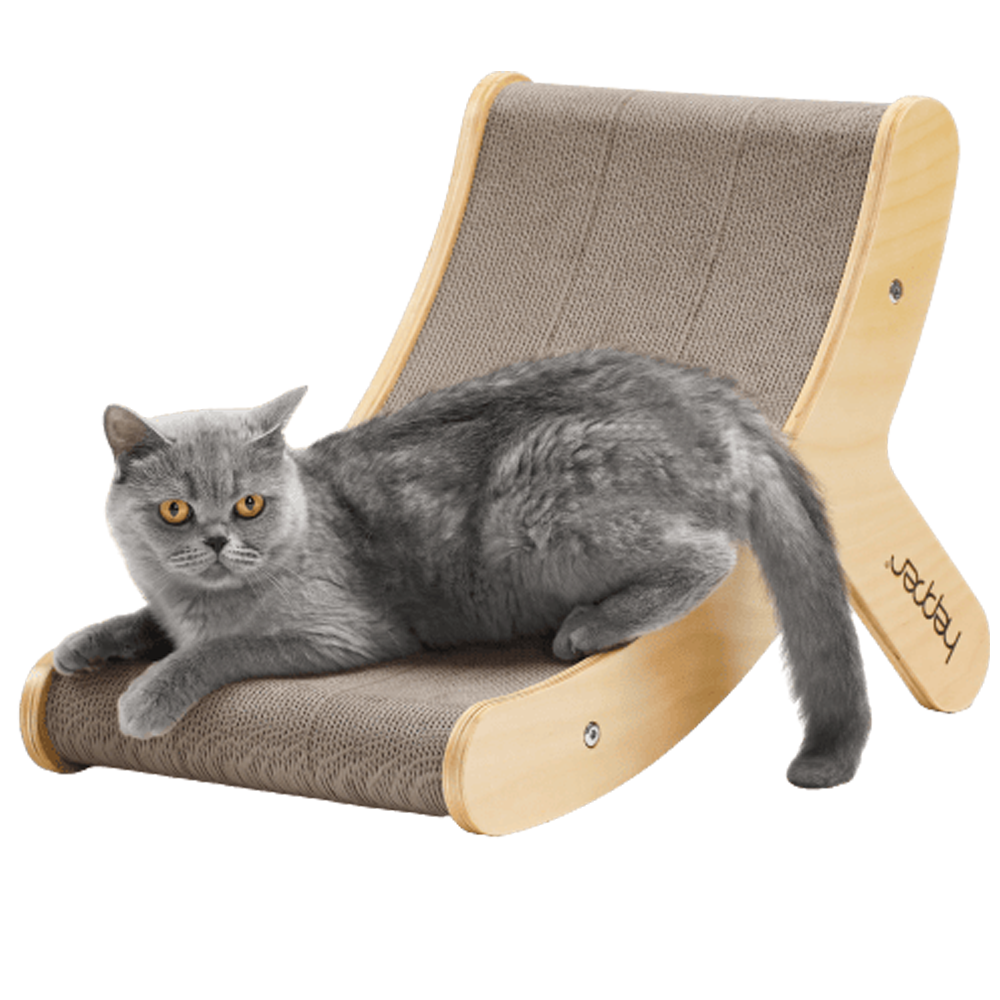
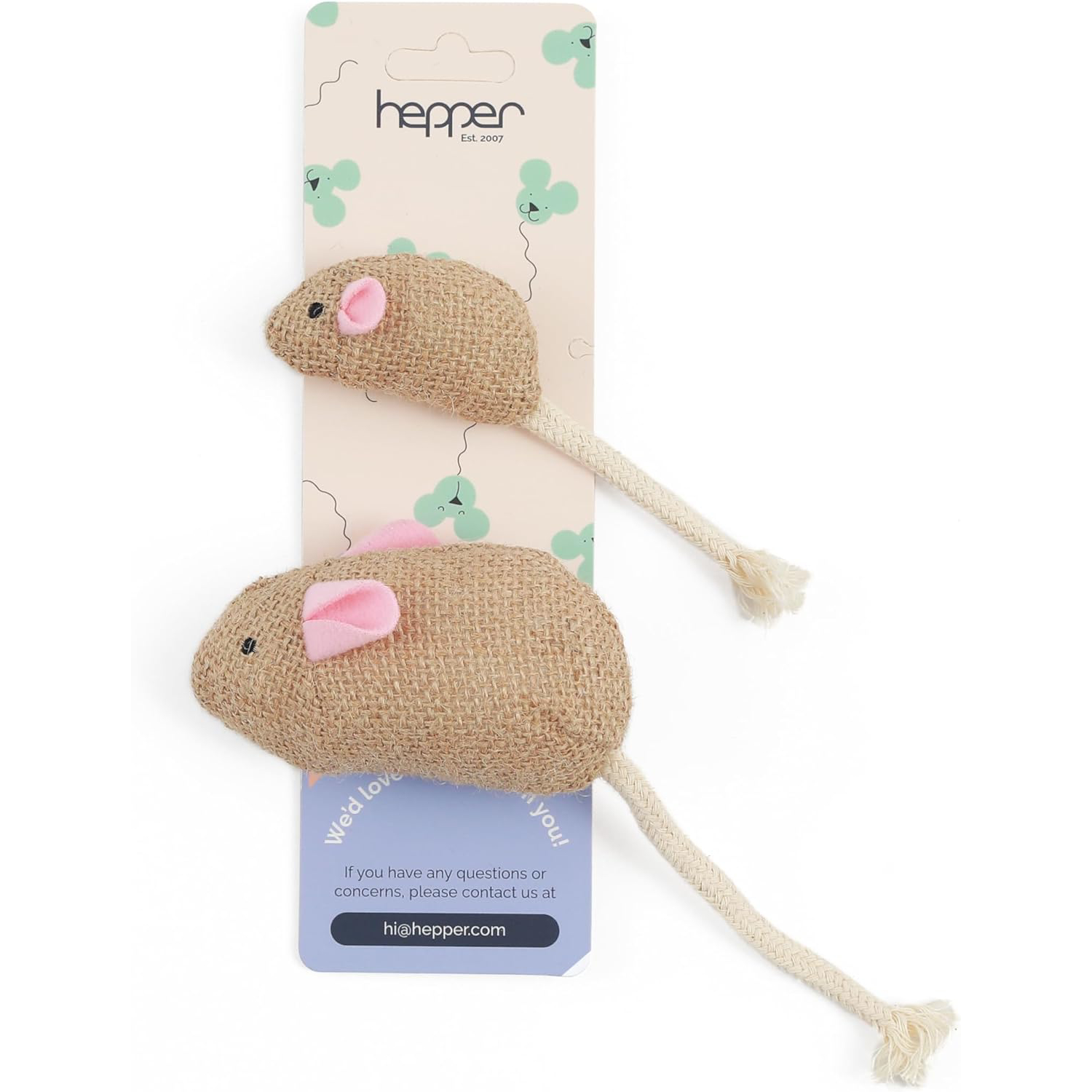
Looking for toys that will cater to the many needs of your cat? The Hepper Hi-lo Cat Scratcher is one of our favorite cat products, and it will encourage your cat to get active. Its clever three-angle design offers multiple ways for your cat to climb, stretch, and exercise. Made of a sturdy plywood base and a replacement cardboard insert, this scratcher is an option that cats can enjoy for years to come. If your cat requires a little encouragement for self-play, the Hepper Catnip Mice Toy Set is a fantastic choice for their instinctual needs. Made with natural, bite-resistant hessian fabric and filled with organic catnip. Cats can satisfy their natural prey instincts while getting the physical activity they need to thrive.
| Image | Product | Details | |
|---|---|---|---|
|
Hepper Hi-Lo Cat Scratcher |
|
Check Price |
|
Hepper Catnip Mice Toy Set |
|
Check Price |
At Catster, we've admired Hepper for many years, and decided to take a controlling ownership interest so that we could benefit from the outstanding designs of this cool cat company!
2. Redirect Biting Behavior to Appropriate Outlets
Toys can be one way to redirect biting behavior. Instead of scolding your kitten every time they try to bite, you should redirect them instead. Redirecting your kitten to other kittens and toys or simply moving them somewhere else will teach them that you don’t appreciate biting. Redirecting them is the same way that their mother would have taught them to stop biting so much or so hard.
3. Encourage Play and Socialization With People and Other Pets
Many times, your kitten is biting you because they want to play. If they don’t have anyone else to play with, you are going to be subject to a lot of playful behavior. Kittens can play a lot. They can play intensely in short bursts. If you are tired of bearing the brunt of your kitten’s playful bites, you should consider encouraging them to play with other pets or people. When your kitten plays with other pets, like other cats, kittens, or even dogs, they will learn what is acceptable for play, and they may leave you alone, which will ensure fewer biting incidents. Getting your kitten to release its playful energy on other pets can be a great help for their overall development.

4. Use Positive Reinforcement
When trying to train and socialize your kitten, you should always use positive reinforcement instead of negative reinforcement. You should pet your kitten, praise it, and snuggle it when it is calm and well behaved. If they start getting hyperactive or start to bite, you should gently move them and put them somewhere else. Attempt to redirect them or ignore the biting behavior. The positive reinforcement when the cat is calm, paired with the redirection, will help teach them not to bite, and the training will sink in better than if you use negative reinforcement.

What Not to Do
Once you know what you should do, it is time to review what you should not do when training your kitten not to bite. There are a couple of things that you should avoid doing in order to ensure that your cat learns to stop biting.
Never Use Your Hand as a Toy
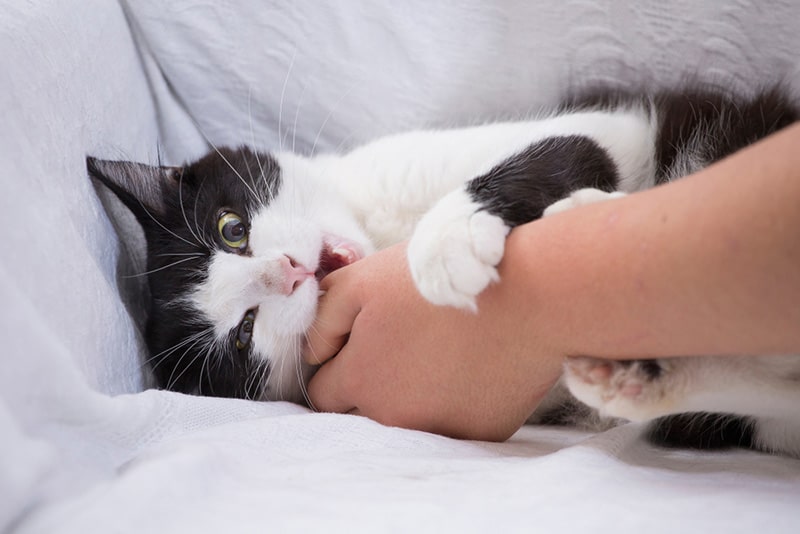
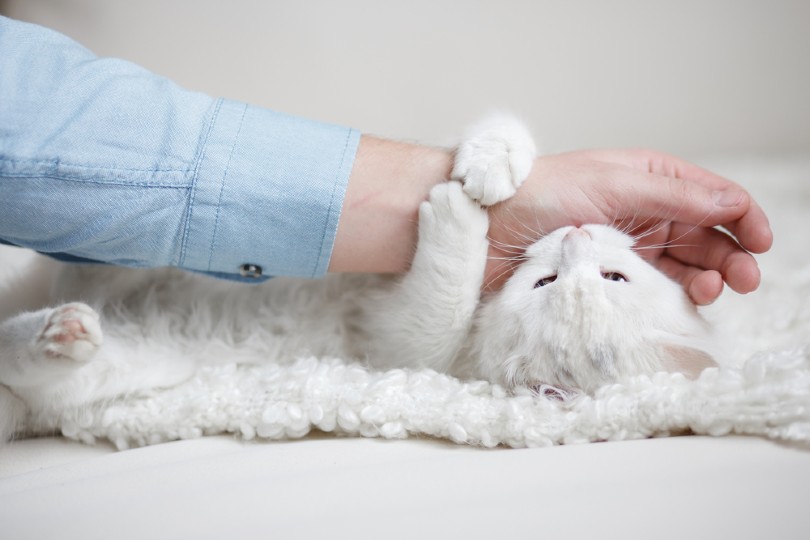
It is very easy to play with your kitten using your hands. Poking them, petting them, grabbing them, and using your hand to manipulate toys right in front of them will cause your cat to make a connection between your hand and playful behavior. This will cause them to see your hand as a toy.
Cats play by biting when they are young, and if they are trying to play with your hands, you are likely going to invite being bitten by your kitten. Keep your hands far away from your kitten when they are in play mode. This is one of the reasons that cat wands are so popular. Wands ensure that your hands do not end up in the line of fire, and it breaks the connection in your kitten’s brain between your hands and playtime.

Never Use Negative Reinforcement
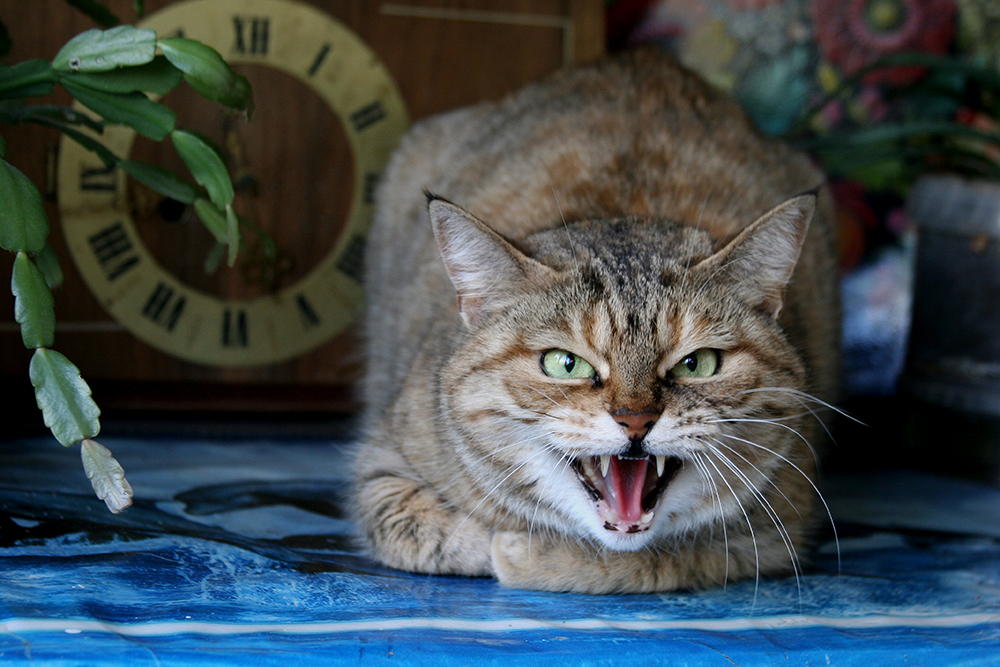
You should never use negative reinforcement. Negative reinforcement includes things like yelling, clapping, and spraying your cat with water. These behaviors can scare your cat, which can cause them to become fearful. Fearful cats are more likely to bite. Putting them in a fearful state can invite more biting, causing a negative feedback loop in which your cat bites, you yell at them, scare them, and then they bite because they are scared. You should always try to use positive reinforcement and redirection rather than negative reinforcement whenever possible.

When in Doubt, Consult an Expert
If you are struggling with a kitten (or young cat) that continues to bite or bite too hard, there is no shame in consulting an expert. You can ask a veterinarian for tips about how to help your cat stop biting. You can also consult a local cat trainer or expert for more individualized tips for your particular cat. Getting professional help can give you the tools you need to make that elusive breakthrough when it comes to a kitten’s biting behavior.

Conclusion
These tips can help you stop your kitten from biting you. All kittens bite to some extent, because they are often teething or learning how to hunt, which can lead to this unfortunate behavior. Through redirection, toys, patience, and some understanding, you can get through this phase with ease. Most kittens will stop biting as they mature since most of the instincts that cause biting when a cat is young will fade away as they exit kittenhood.
Featured Image Credit: ShineTerra, Shutterstock

Expert cat care, straight to your inbox
Vet-reviewed advice, behavior tips, and the best of Catster. Free, and you can unsubscribe anytime.
By signing up, you agree to our Terms & Conditions and Privacy & Cookies Policy.
Grant is a freelance writer with years of experience writing about a diverse range of topics. He currently lives in his home state of Florida with his wife. His days are spent writing, raising a rambunctious son, and caring for eight animals (two horses, two donkeys, two goats, and two dogs). In his free time he enjoys slowly carving out a quaint hobby farm from the Southern scrub.
Join the conversation
Ask a question, share your story, or send private feedback.