Why Does Catnip Make Cats Go Crazy? What Science Tells Us

The effects of catnip have provided content for an endless train of entertaining YouTube videos, and even the word itself grabs the attention of any cat owner who has a cat that loves catnip.
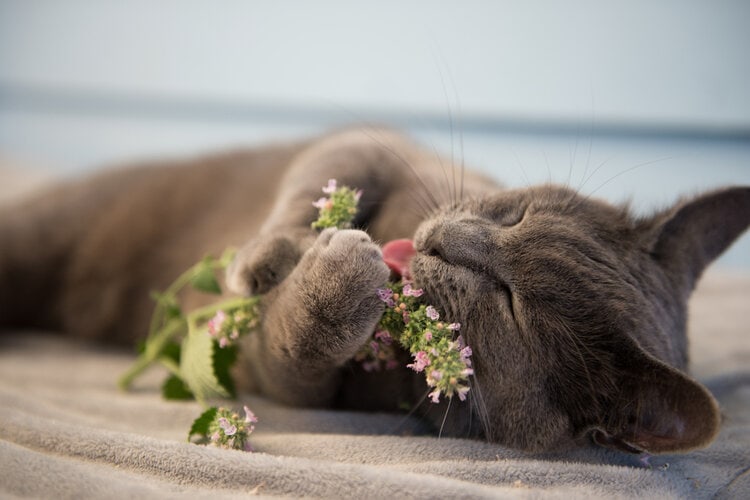
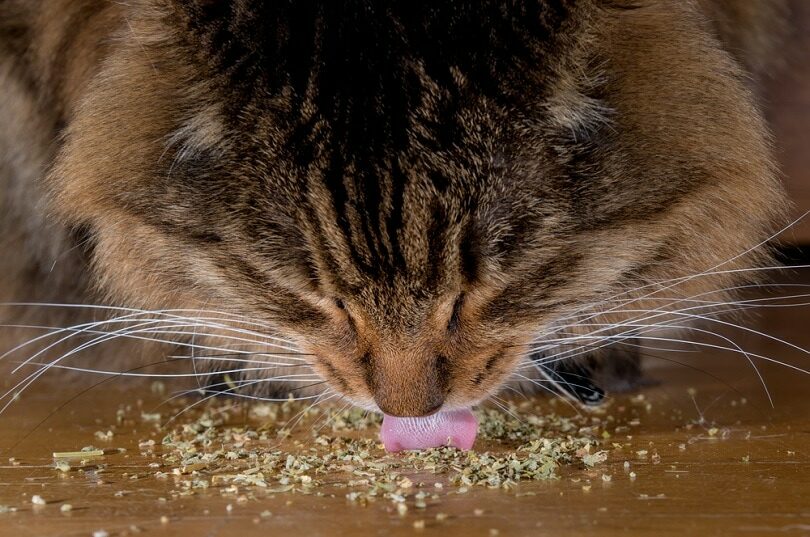
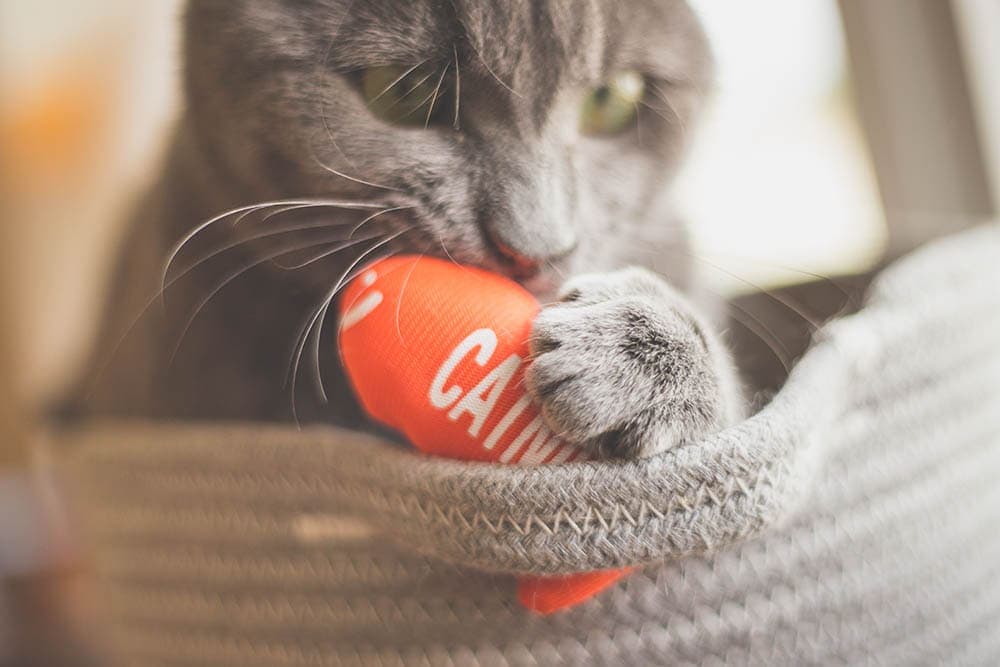
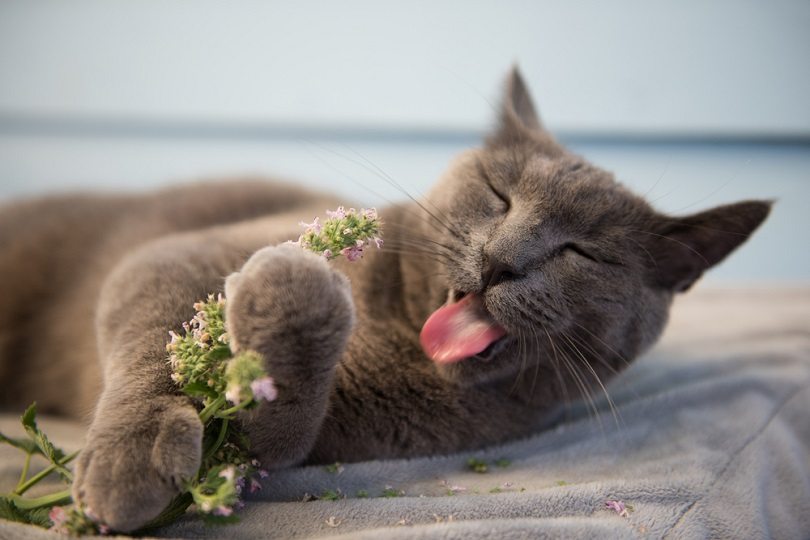
Most cats exposed to catnip experience a sudden surge of energetic, euphoria-like behavior, rolling over and head rubbing against it. Exposure to nepetalactone, a compound found in catnip, can cause a number of noticeable behaviors in your cat that make them appear to go crazy. But don't worry, the effects don’t last very long, 15 minutes at most, and cats don’t get addicted to catnip. Most cat parents are familiar with the herb that makes their feline friends go crazy, and in this article, we'll explore the topic a little deeper to help you understand why your cat may love catnip.

What Is Catnip?
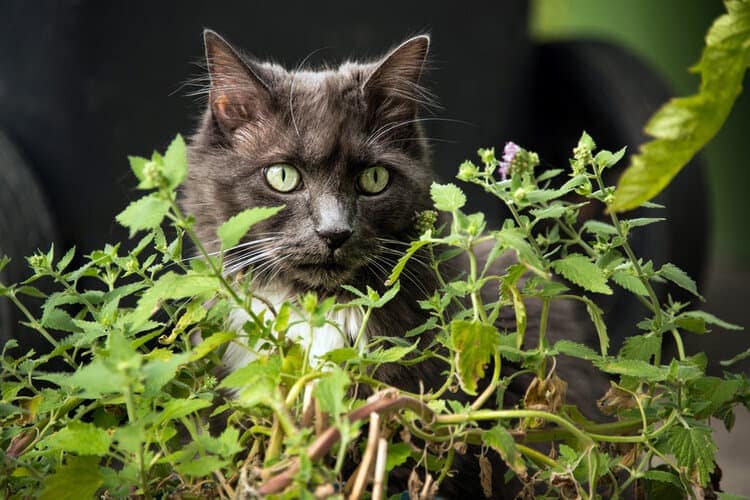
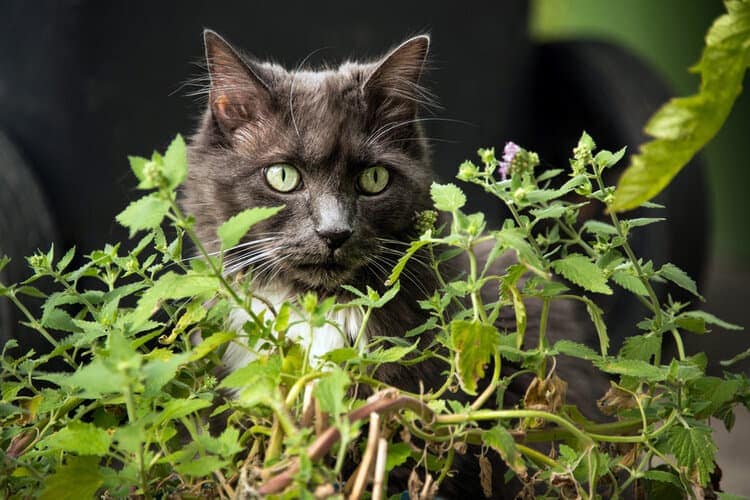
Nepeta cataria, better known as catnip, is a common herb in the mint family. This perennial herb has other uses besides bringing joy to cats, such as in teas and as a main ingredient in some bug sprays. The flowers have also been used to remedy coughs in people. It was originally native to Asia and Europe but now grows in all parts of the United States. It can be identified by its muted green foliage that is heart-shaped with pointed edges and thick, fuzzy stems. It is non-addictive and considered quite safe.

What Chemical in Catnip Makes Cats Go Crazy?
Catnip contains a compound known as nepetalactone, which is responsible for the euphoric effects it has on most felines. The nepetalactone is stored in microscopic bulbs that coat the plant’s leaves. When a cat is exposed to catnip through sniffing, chewing, or rubbing up against it, the volatile nepetalactone enters the cat's nose, and possibly mouth as well, and causes a series of behaviors in approximately two-thirds of cats.
The terpenes found in most herbs, like peppermint, are formed by a single enzyme, whereas in catnip, it has been reported that the terpenes are formed in a two-step process. An enzyme activates a precursor compound, which is then captured by a second enzyme to produce the substance.
While investigating the evolution of catnip to learn how it came to produce the intoxicating chemical that affects cats, the unique and unusual chemical process inspired researchers to look into anti-cancer drugs and determine how to create valuable compounds that can be used to treat other diseases.
What Does Catnip Do to Cats?
When your cat is exposed to catnip, the volatile compounds will enter their nose and bind to sensory neurons in the nasal cavity, activating areas of the brain that control pleasure. The effects of catnip seem to imitate feline sex hormones, and a male or female cat under the spell of catnip may display similar behaviors to a cat on heat.
Examples of the behaviors a cat may experience on catnip include:
Catnip can help reduce anxiety and pain for some cats, in fact. The dosage of catnip and how it is consumed will affect how your cat responds to it, but the effects will only last 10 to 15 minutes. Interestingly, it could take an hour or longer for the cat to become receptive to the effects again.

Why Do Some Cats Not Respond to Catnip?
Catnip can affect cats differently. Some may be relaxed and mellow, while others become hyperactive and euphoric. It is estimated that approximately 30% of cats don’t have the typical catnip response, and it is suggested that it could be a genetically inherited trait.
It has also been seen that cats under 3 to 6 months of age do not respond to catnip, but big cats like lions and jaguars can also be put under the spell of catnip!
Is Catnip Safe for Cats?
Generally speaking, catnip is safe for cats. However the ASPCA includes catnip in the list of toxic plants because of its euphoric effects and the potential to cause vomiting and diarrhea.
Your cat should only have a little at a time, and it is also best to avoid highly concentrated catnip because the oil’s potency is very high.

How to Use Catnip
Catnip can encourage cats to play and train, which is why it is included in many cat toys. You can place a small amount of catnip on your cat's scratching post to encourage them to use it and create a positive association. You can also apply the herb to their carrier and blankets for veterinary trips in the car.
Catnip sprays are also available, and you can easily spray the solution on your cat's toys, scratching posts, or carrier. If you have catnip growing in your garden, you can use it fresh or dried, bearing in mind that fresh catnip is more potent. Catnip is easy to grow and can be purchased at most nurseries and garden centers.
You can store your cats’ toys in a bag or jar with catnip and rotate them or sprinkle dried catnip on the desired items. You can also make cat toys and stuff them with dried catnip or purchase a few from the pet store. If you want to keep your catnip fresh, you can freeze it in an airtight container.
Avoid combining catnip with food, as too much can cause stomach issues; moderation is key.
Conclusion
Nepetalactone is the chemical responsible for making cats go crazy for catnip. Cats can be put under its spell by rubbing against or chewing, and the euphoric effect lasts around 10 to 15 minutes. Some cats don’t seem to react to catnip, and it can affect some differently than others, but it is considered safe and cats can’t get addicted to it. If your cat overindulges and ingests too much, they may experience an upset stomach. You can grow the magic herb in your garden for your cat to enjoy to ensure there are no added pesticides or additives.
Featured Image Credit: Anna Hoychuk, Shutterstock

Expert cat care, straight to your inbox
Vet-reviewed advice, behavior tips, and the best of Catster. Free, and you can unsubscribe anytime.
By signing up, you agree to our Terms & Conditions and Privacy & Cookies Policy.
Christian started writing for a local newspaper as a teenager, and he's been involved in the publishing industry for most of his adult life. Combining his love of writing with a passion for animals, he is currently the Director of Editorial at Pangolia and the Editor-in-Chief at Catster.
Christian lives in the Philippines with his wife, son, and four rescue cats: Trixie, Chloe, Sparky, and Chopper.
Join the conversation
Ask a question, share your story, or send private feedback.